Fresh Resources for Web Designers and Developers (April 2026)
Time for another monthly resource roundup for web developers.
This month’s picks cover minimalist CSS frameworks, JavaScript libraries, WordPress tooling, and a handful of AI-focused tools for building faster workflows.
Click Here for More Resources
Check out our complete collection of hand-picked tools for designers and developers.
Comark
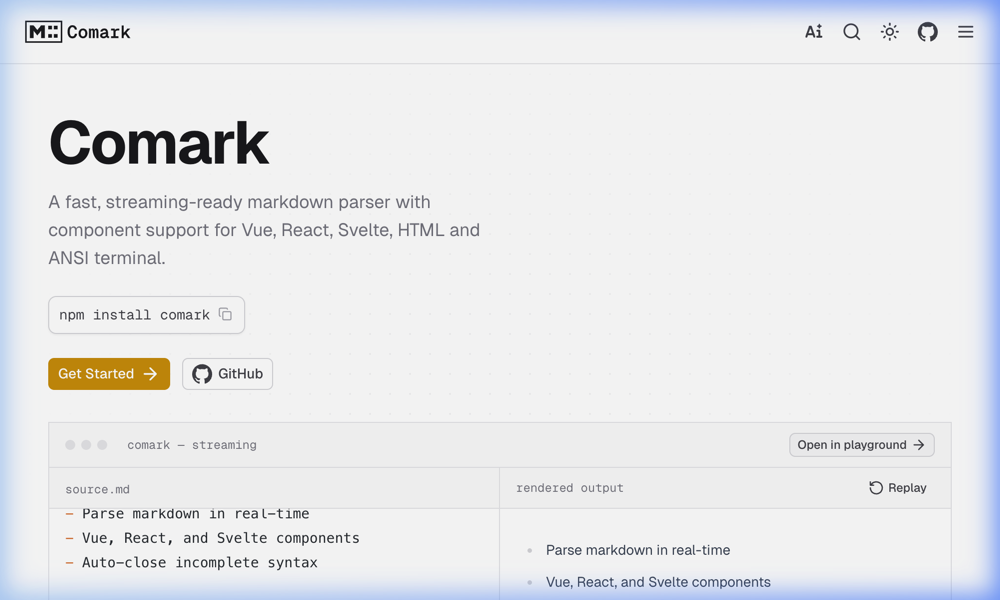
Comark is a fast Markdown parser built for streamed content. AI-generated text or progressively loaded content renders cleanly as it arrives. It also auto-closes syntax on the fly and supports plugins such as math and code highlighting. It looks especially useful for docs and interactive blogs.
Loftlyy
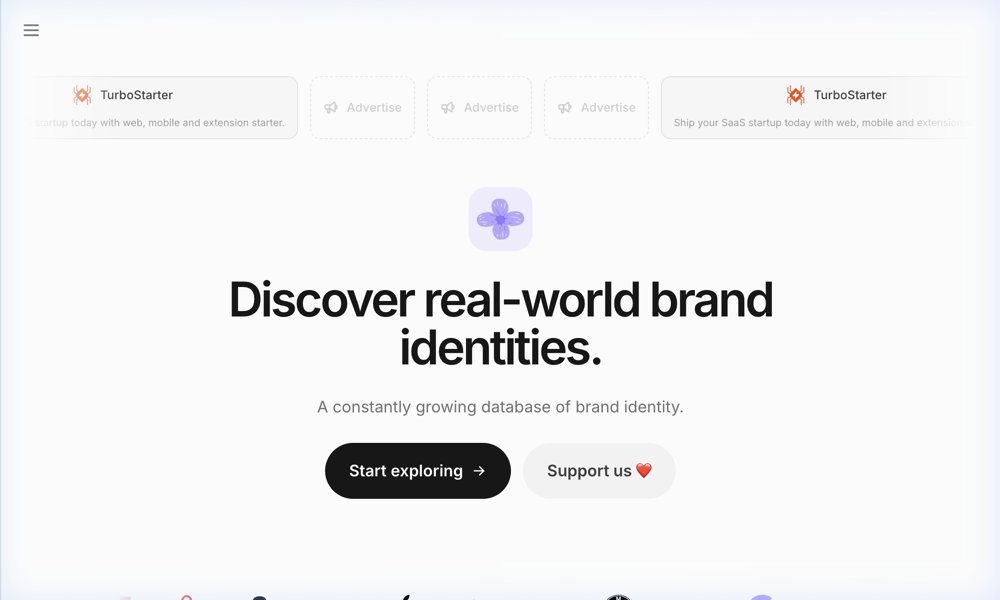
Loftlyy is a growing database of real-world brand identities. You can browse logos, colors, and design systems from actual companies. It’s a solid reference if you need inspiration without relying on made-up mock brands.
Oat
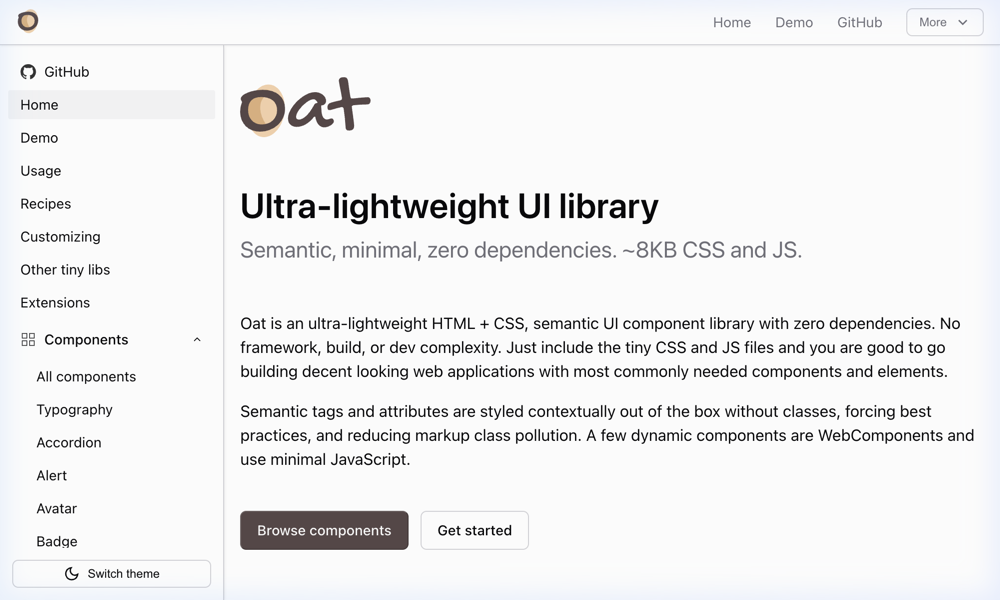
Oat is a lightweight HTML and CSS UI component library with zero dependencies. It weighs about 8KB in total and uses semantic HTML tags instead of CSS classes. If you’re tired of JS-heavy UI stacks, this goes in the opposite direction.
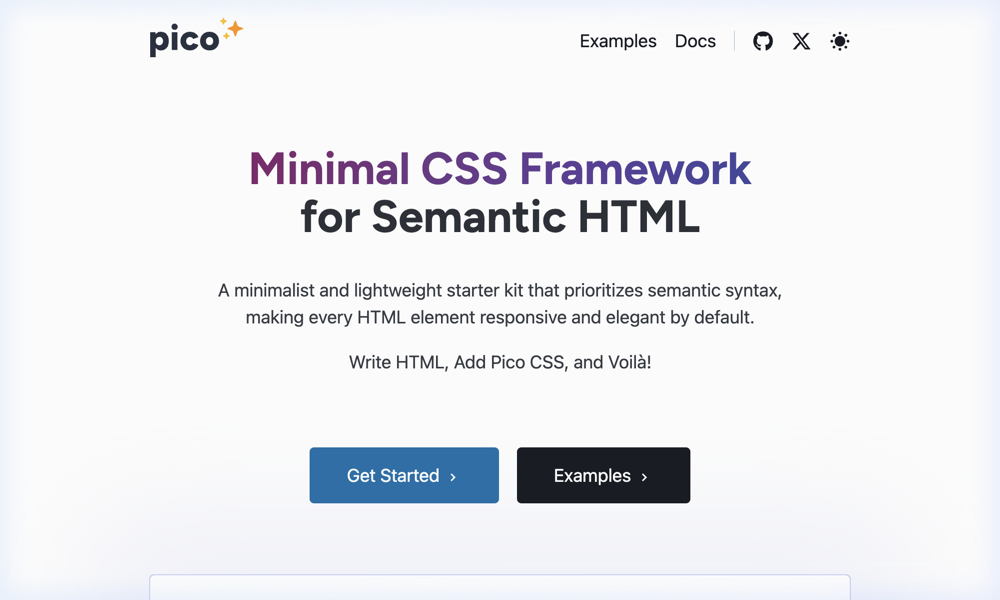
PicoCSS
PicoCSS is a minimalist framework that styles HTML directly without extra classes. It uses plain CSS, no JavaScript, and adapts automatically to light or dark mode. Good fit if you want a clean system without carrying extra UI baggage.
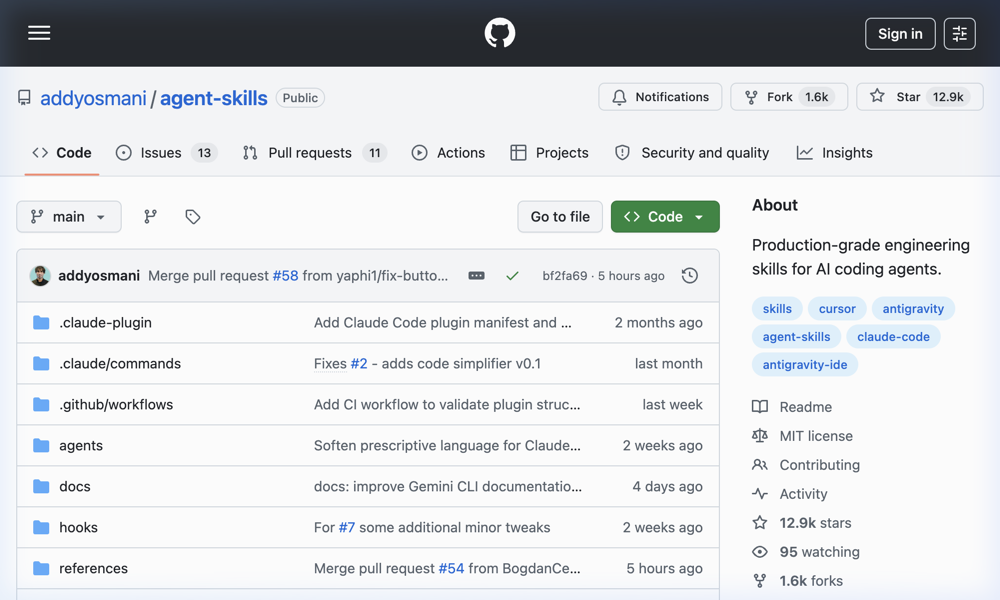
Agent Skills by Addy Osmani
Agent Skills by Addy Osmani is a collection of production-grade workflows for AI coding agents. It uses slash commands like /spec, /plan, and /ship to enforce specs, tests, code reviews, and security checks. The appeal here is structure, especially for teams that want agents to follow a stricter engineering process.
It works with Claude Code, Cursor, Gemini CLI, and other agents.
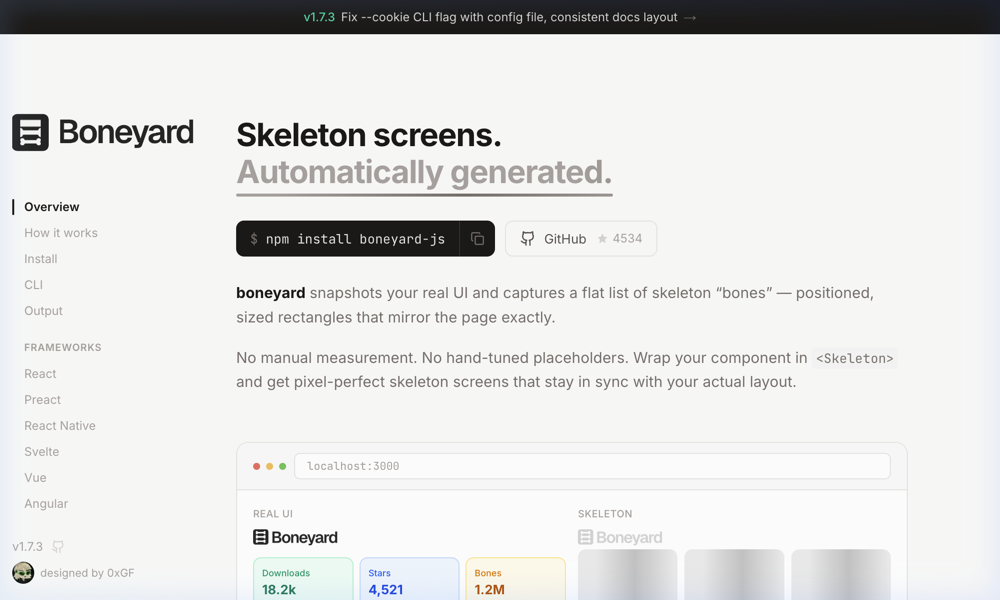
Boneyard
Boneyard automatically generates skeleton screens by snapshotting your real UI. You wrap a component in <Skeleton>, run the CLI once, and it captures pixel-perfect rectangles that mirror your actual layout. No manual measurement or hand-tuned placeholders.
If you build React apps and want to reduce layout shift during loading states, this looks like a neat solution, especially at around 7.5KB.
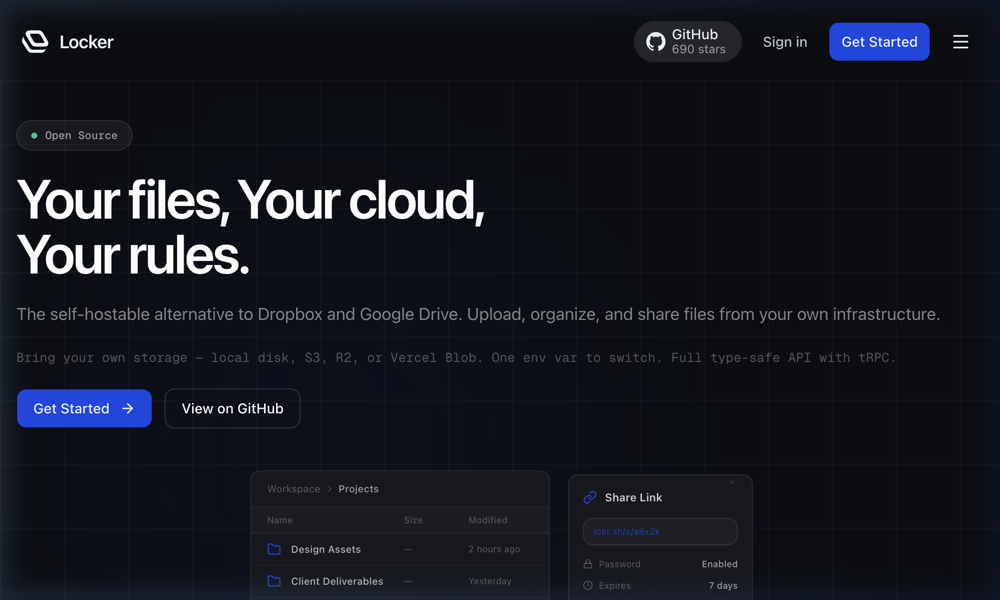
Locker
Locker is an open-source, self-hosted file platform. You can sync files across multiple storage backends, including S3, R2, and local disk. It also searches inside images and PDFs. Looks useful if you want tighter control over file storage without being locked to one vendor.
WordPress Build Tooling
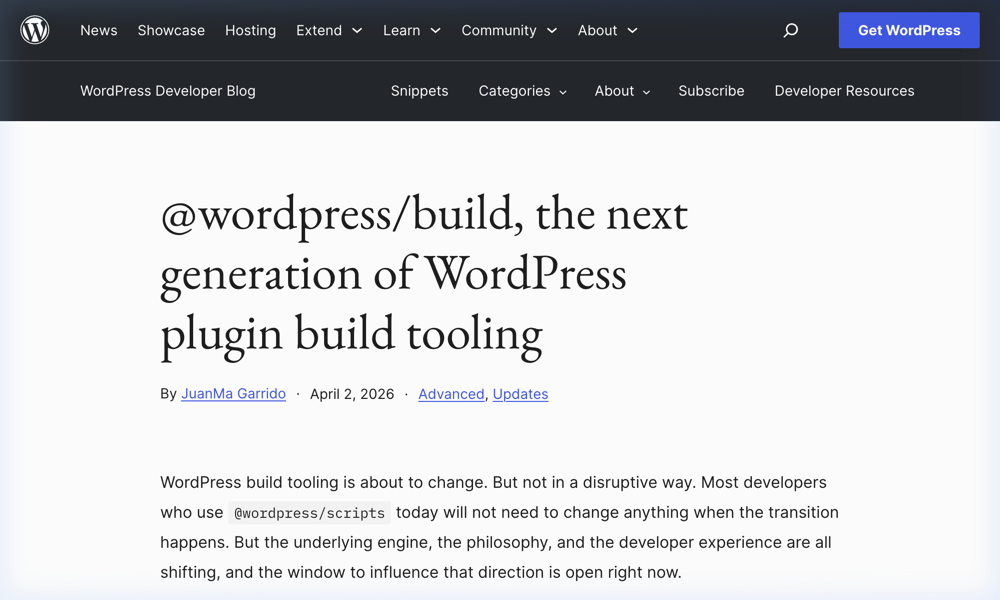
@wordpress/build is a new build tool for WordPress plugins. It replaces Webpack and Babel with esbuild. So multiple scripts, modules, and admin pages build in seconds with almost no configuration.
Gutenberg already uses it, though it is not ready for every plugin yet. Still, it looks worth a look if you follow WordPress tooling closely.
EmDash
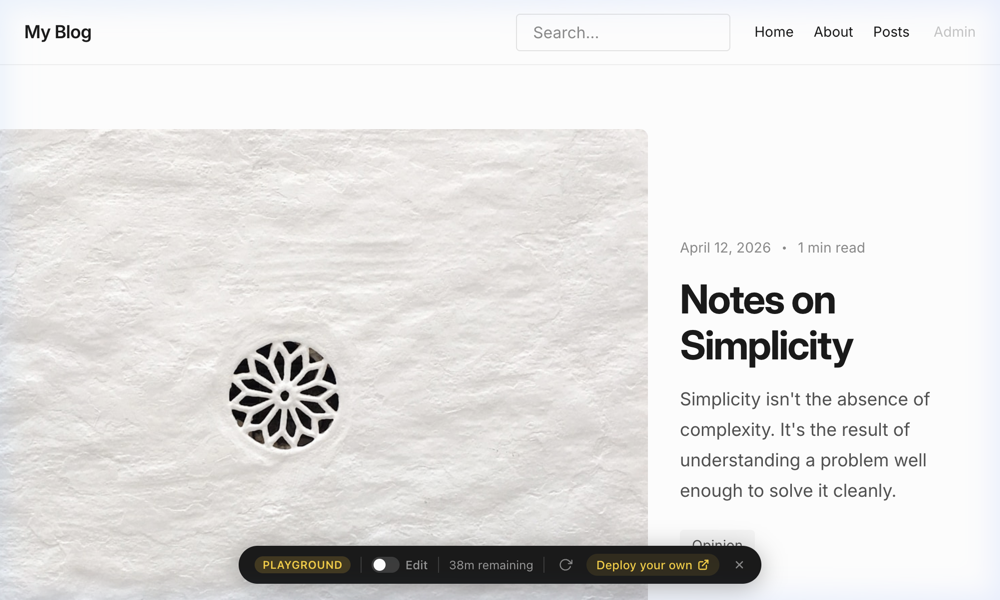
EmDash is a new CMS from Cloudflare, built with TypeScript and Astro. It positions itself as an alternative blogging platform to WordPress.
One interesting part is that it runs plugins in sandboxed Cloudflare Workers, while content uses Portable Text JSON instead of HTML or Gutenberg. That alone makes it stand out from the usual CMS stack.
Open Screen
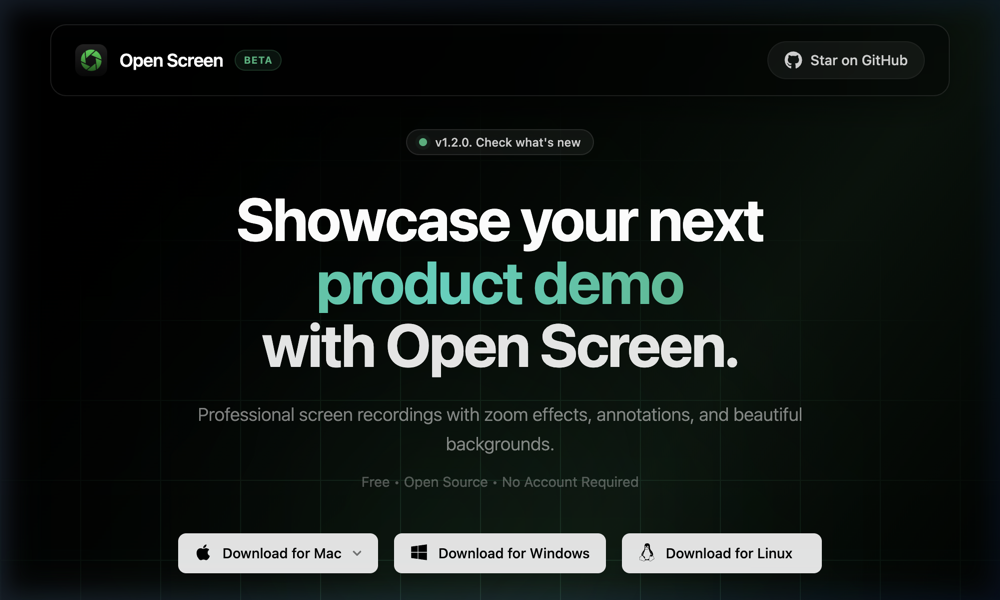
OpenScreen is a free, open-source macOS app for product demos. It records your screen with zoom effects, annotations, and styled backgrounds. No account required. Handy if you want cleaner product recordings without paying for another screen recording app.
Heerich.js
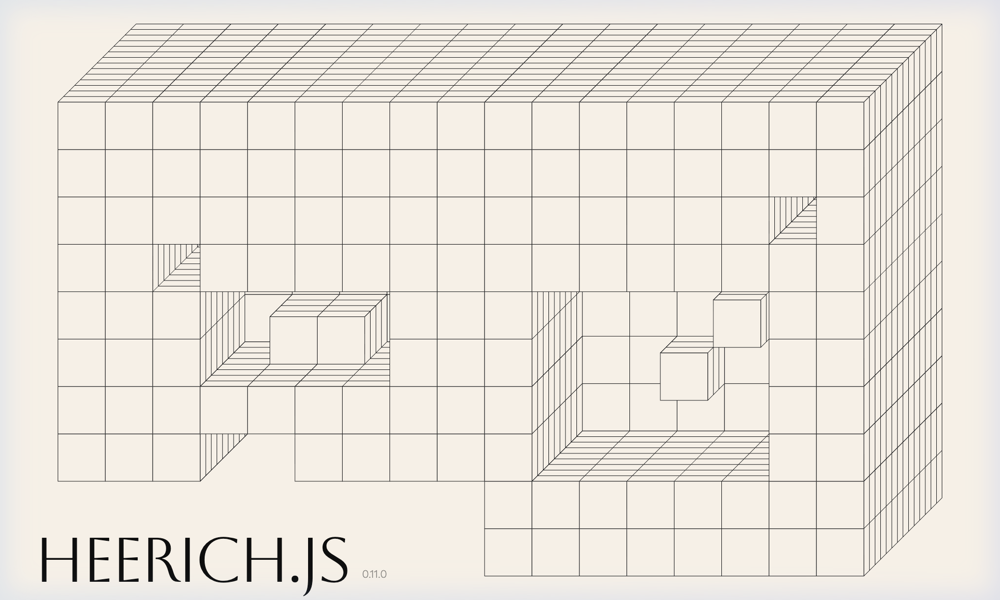
Heerich.js is a minimalist 3D voxel engine that renders to SVG. It builds compositions using boxes, spheres, and lines. Nice pick for generative art on the web or even pen plotter experiments.
WP Studio
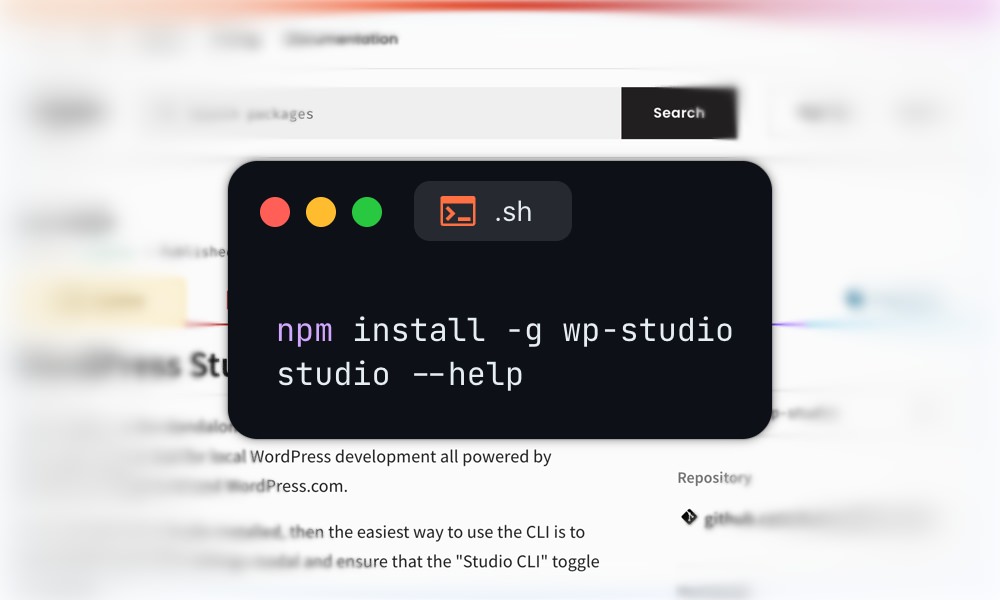
wp-studio is a CLI for local WordPress development that lets you create sites, run WP-CLI commands, and publish temporary previews to wp.build. It requires Node.js 22+. Useful if you want a more scriptable local WordPress setup.
pgmicro
pgmicro is an embeddable, single-file database that speaks PostgreSQL but stores data as SQLite. It parses PostgreSQL and compiles it directly to SQLite bytecode. You can run it in memory, on disk, or as a psql server. Interesting option for ephemeral AI workloads or lightweight local PostgreSQL setups.
Testo
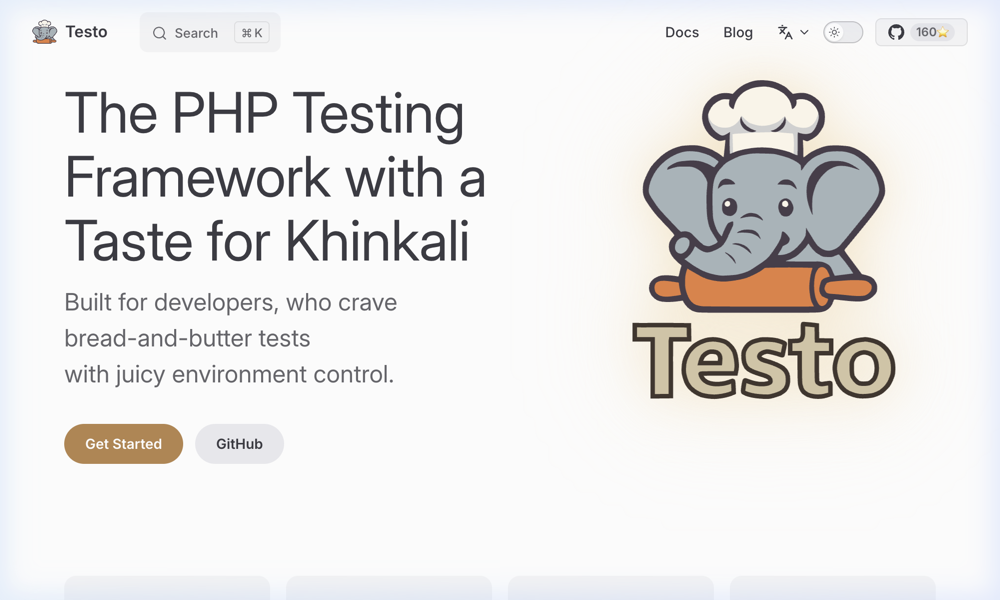
Testo is a modern PHP testing framework for PHP 8.2+. It uses attributes instead of magic conventions, supports functions or classes without inheritance, and includes async tools, benchmarks, and a PhpStorm plugin. The pipe-style assertions are a nice touch if you prefer more explicit, type-safe tests.
PHPantom LSP
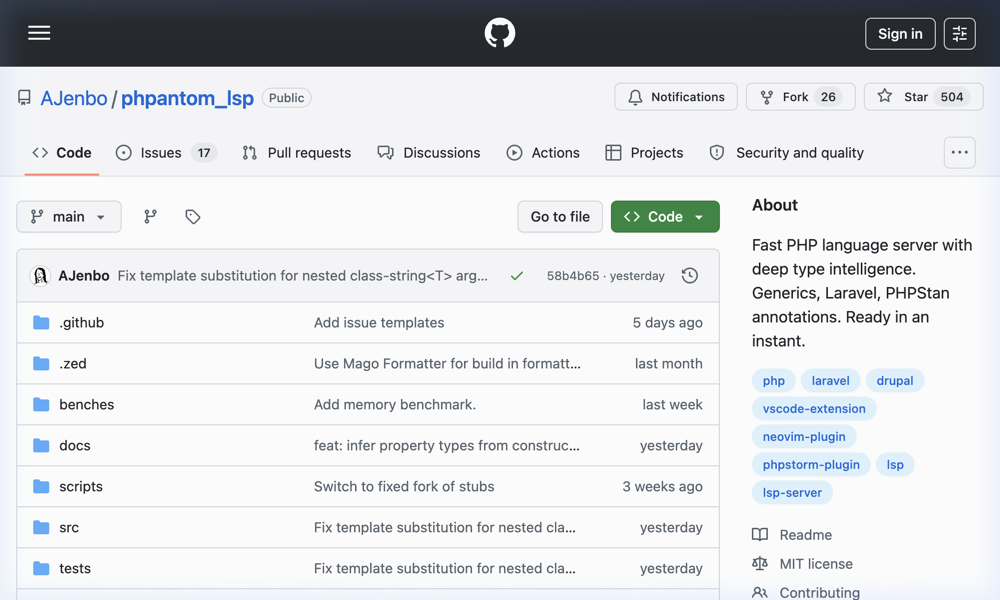
PHPantom is a fast PHP language server written in Rust. It supports generics, Laravel Eloquent, PHPStan annotations, and conditional return types. It starts in under 1 second with about 59MB of RAM and skips the usual indexing phase. Strong option if you want faster autocomplete without the usual heavyweight setup.
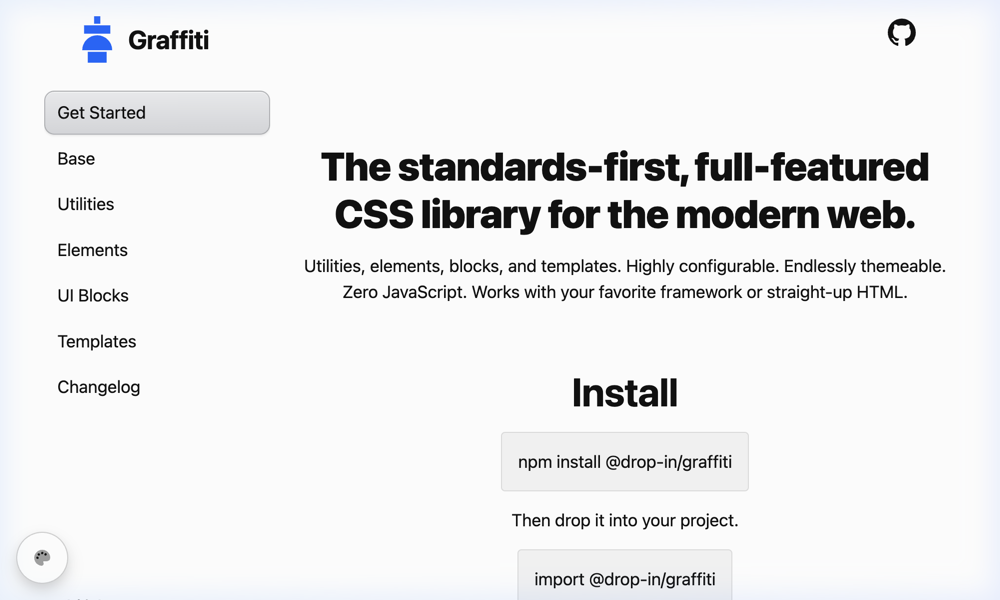
Graffiti
Graffiti is a minimal CSS toolkit with utilities, elements, blocks, and templates. It’s configurable, themeable, and uses zero JavaScript. It also works with any framework or plain HTML. Good candidate if you want a lightweight drop-in CSS layer without dragging in more JS.
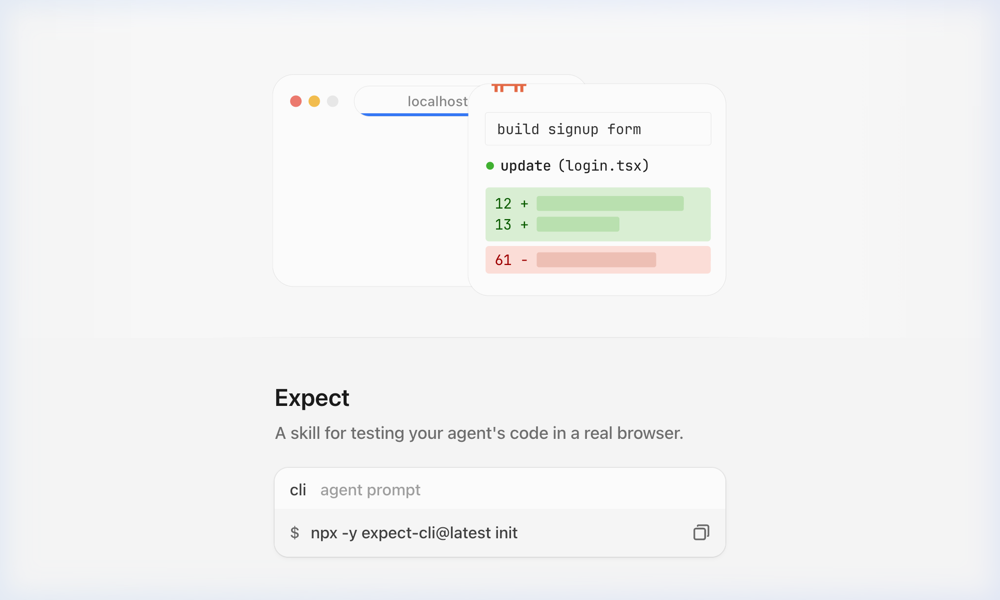
Expect
Expect is a testing skill for AI coding agents. It reads your git changes, generates a test plan, and runs it in a real browser with Playwright. It checks for performance issues, security vulnerabilities, broken links, and design regressions, without forcing you to maintain scripts or selectors. It can also run locally or in CI.
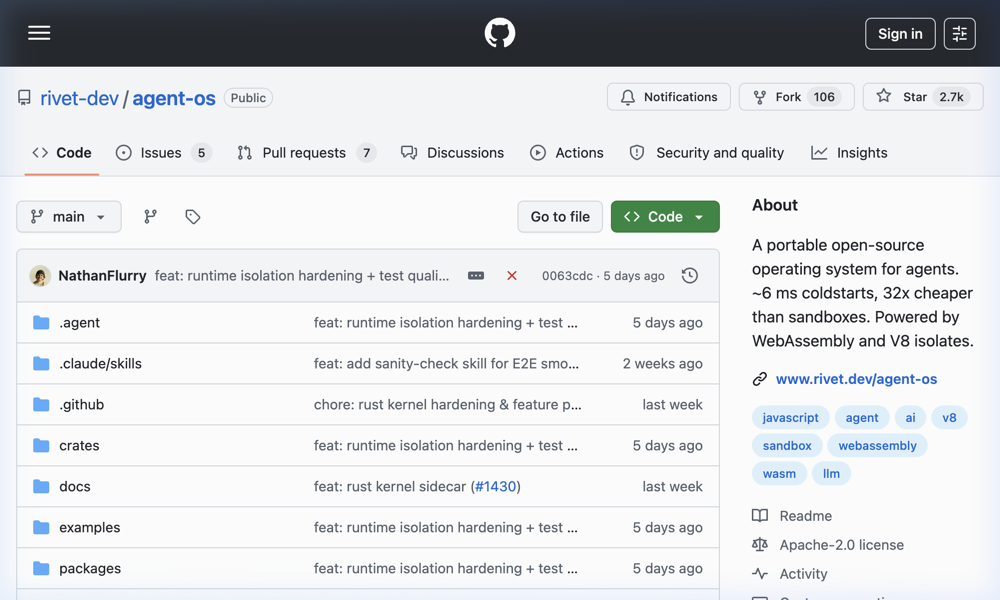
agentOS
agentOS is a portable OS for AI agents. Powered by WebAssembly and V8 isolates, it claims ~6ms cold starts at up to 32x lower cost than sandboxes. It also includes filesystem mounting, host tools, and granular security controls. That makes it a notable option for embedding agents directly into backend systems.
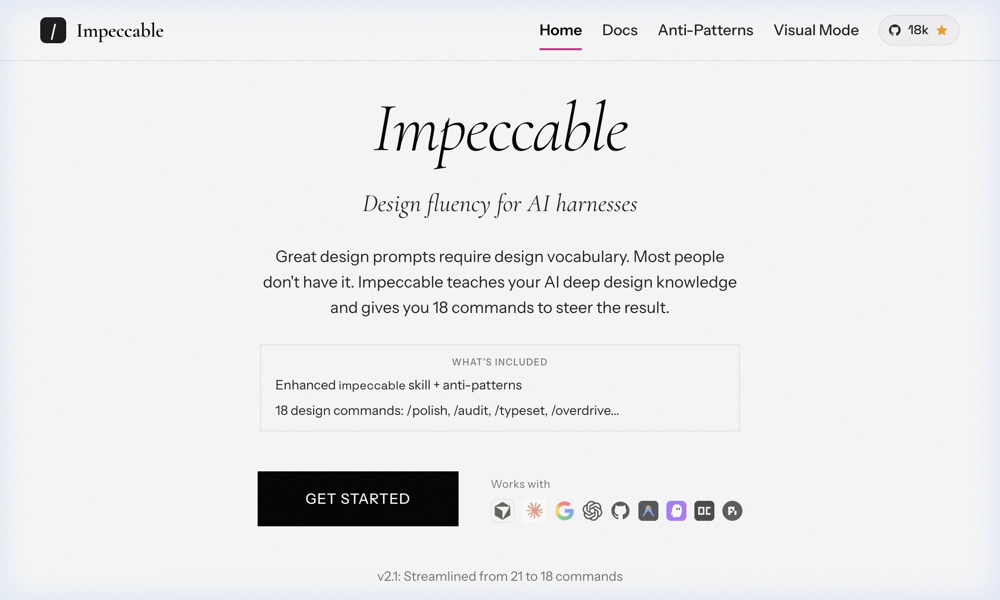
Impeccable
Impeccable is a design skill pack for AI coding agents. It teaches design principles across typography, color, layout, and motion. It also includes a CLI and browser extension that detect more than 25 anti-patterns, including gradient text, overused fonts, and nested cards.
It works with Cursor, Claude Code, Gemini CLI, and more. Useful if you want AI-generated UIs with a bit more visual discipline.
Charcuterie
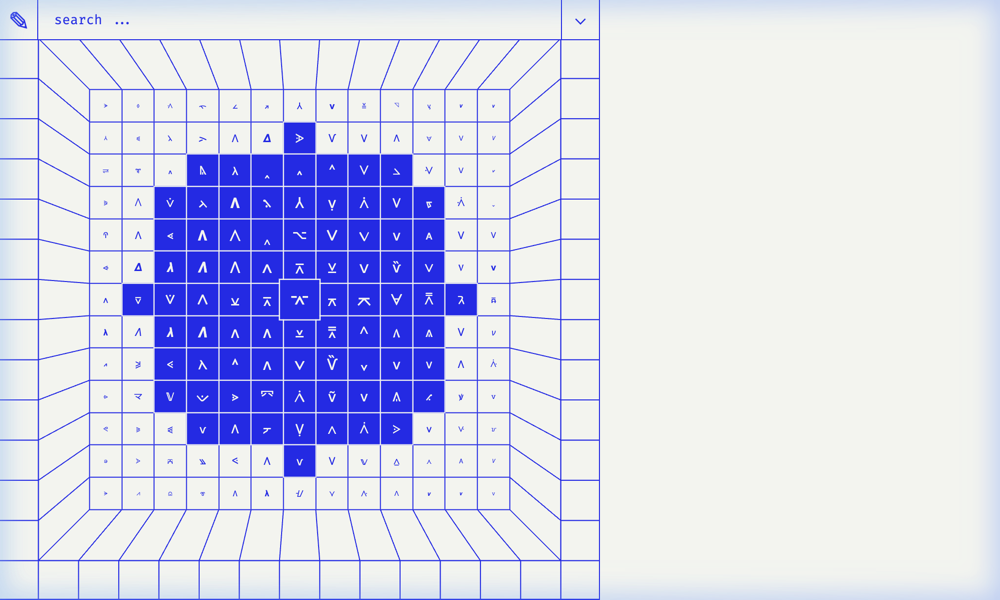
Charcuterie is a visual explorer for Unicode. It lets you browse characters, discover related glyphs, and learn about scripts and symbols. Rendered glyphs are compared in vector space to power visual similarity.
It is still under active development, but it already looks like a more interesting way to explore Unicode than staring at code charts.