Here’s Why You Shouldn’t Mine for Bitcoin
Every time Bitcoin price surges, the same idea comes back: maybe this is the moment to mine some at home instead of buying it outright.
That sounds reasonable until you look at what Bitcoin mining actually looks like now. It is no longer a hobbyist game where a decent PC can quietly print coins in the corner of your room. In 2026, serious Bitcoin mining is an industrial business built around specialized hardware, cheap electricity, efficient cooling, and scale.
We’ve already covered the ways to own bitcoins online, and this guide explains why mining is usually the worst one for ordinary people. The short version: yes, Bitcoin mining still exists, and yes, it can still be profitable. But it is usually profitable for operations with cheap power and current-generation ASIC machines, not for someone trying to squeeze ROI out of one noisy box at home.
Read Also: Bitcoins - What You Need to Know

How Bitcoin Mining Works Now
Bitcoin mining is the process of using computing power to compete for the right to add a new block to the blockchain. The miner or pool that wins gets the block reward plus transaction fees.
That basic idea has not changed. What changed is the level of competition.
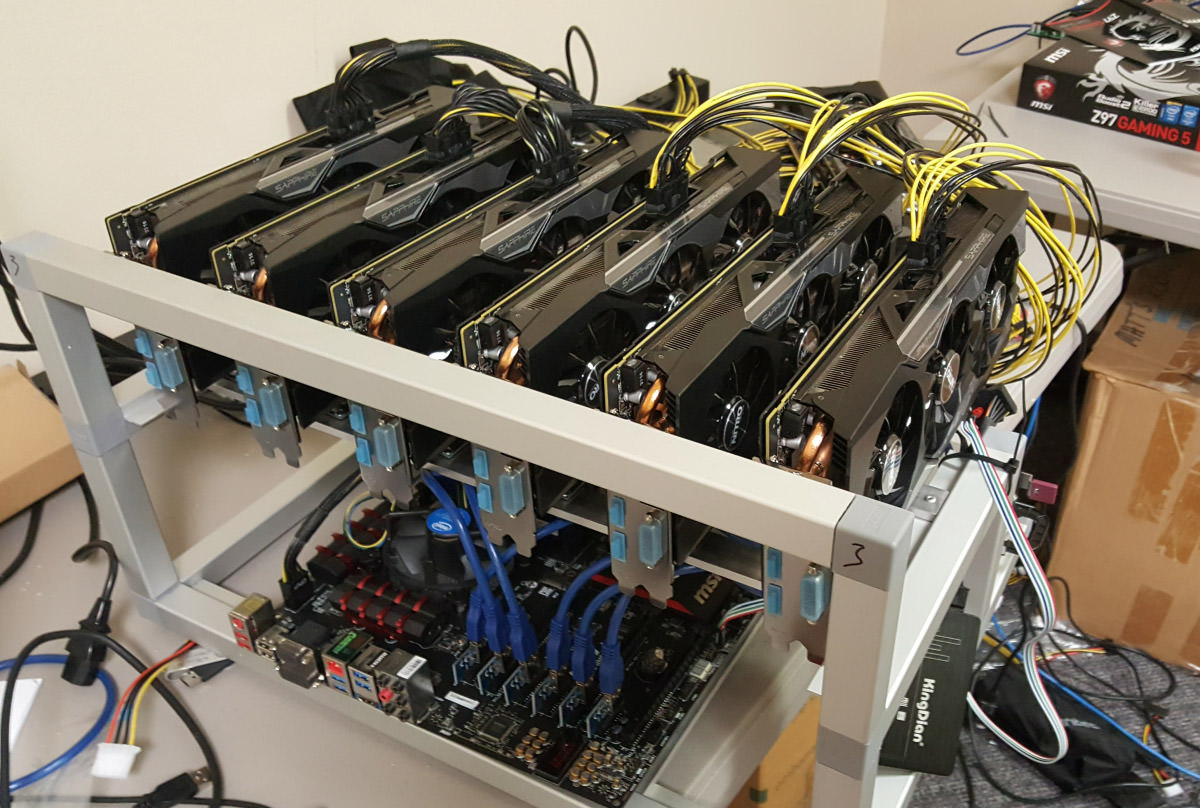
Years ago, people could mine Bitcoin with CPUs, then GPUs, and later FPGAs. That era is gone. Today, Bitcoin mining is dominated by ASICs, which are machines built for one job only: hashing as efficiently as possible.
If you want a more technical walkthrough of blockchain basics first, this companion post on common Bitcoin questions helps set the stage.
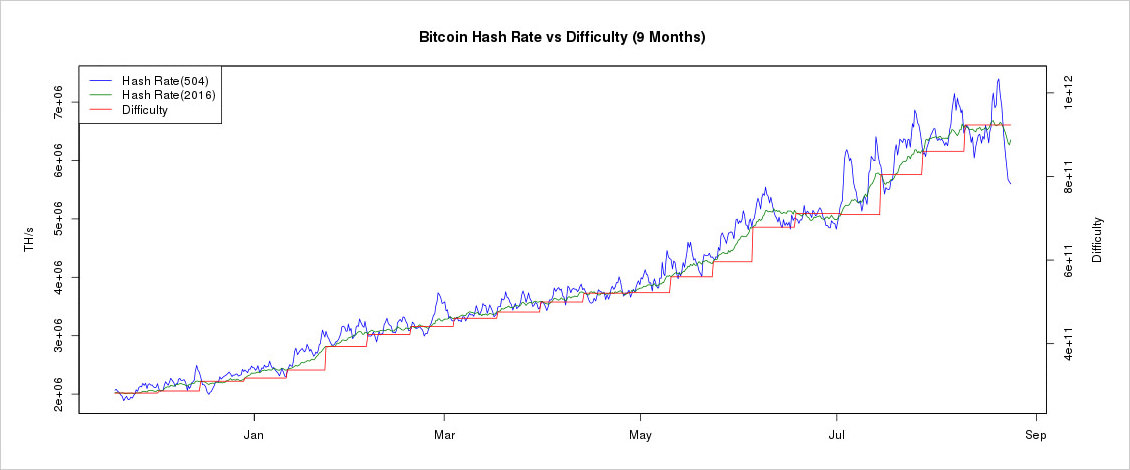
The network also keeps adjusting difficulty so blocks continue to arrive roughly every ten minutes. That means when more hashpower joins the network, the puzzle gets harder. In practice, that turns mining into a moving target where efficiency and electricity costs decide who survives.
Why Home Bitcoin Mining Usually Fails
The core reason is brutal and simple: your costs are retail, while the strongest miners run like businesses.
Most home miners are at a disadvantage in at least four ways:
- they pay higher electricity rates
- they buy fewer machines and get worse hardware economics
- they deal with heat and noise in a home environment
- they have less room for downtime, repairs, and bad luck
After the 2024 halving, Bitcoin’s block subsidy dropped to 3.125 BTC. That cut guaranteed block revenue in half and squeezed weaker operators even harder. The result was predictable: the least efficient miners got punished first, while better-capitalized operators with cheaper power had a far easier time riding it out.
If you are paying normal residential electricity prices and running older hardware, your margin disappears fast. And even when revenue looks decent on paper, it can fall apart once you count cooling, noise management, hardware wear, and pool fees.
ASICs Rule Bitcoin Mining
Modern Bitcoin mining belongs to ASIC machines. CPU mining is dead here, GPU mining is irrelevant for Bitcoin itself, and older hardware is mostly a lesson in how to heat a room expensively.
That does not mean every ASIC owner makes money. It means ASICs are the minimum ticket to enter the game at all.
Current profitability depends heavily on hardware efficiency and power costs. If your machine is weak by current standards or your electricity is expensive, the machine can run all day just to produce a sad little bill with extra fan noise attached.

That is why the old logic of “buy one miner and let it run” falls apart. The hardware alone is not the real edge. The edge is the whole operating setup around it.
Solo Mining vs. Mining Pools
Technically, you can still mine solo. Practically, that is how you donate optimism to probability.
Solo mining means you keep the whole reward if you find a block, but your chances are tiny unless you control a serious amount of hashpower. For small operators, the more realistic route is joining a mining pool, where miners combine work and share rewards.

Pool mining smooths income, but it does not magically create profit. It just turns a nearly impossible lottery into smaller, more regular payouts. If your machine economics are bad, pool mining simply helps you discover that more consistently.
The Real Costs Most People Underestimate
When people talk themselves into mining, they usually fixate on the machine and the coin price. That is the easy part.
The ugly part is everything around it:
- electricity cost per kWh
- machine efficiency
- cooling and ventilation
- fan noise
- repair downtime
- pool fees
- difficulty changes
- Bitcoin price swings
If your power costs are high, one of the fastest ways to sober up is to run your daily electricity math before you buy anything. The home-mining fantasy gets a lot less romantic once the machine starts sounding like a hair dryer with commitment issues.
Why Buying Bitcoin Is Usually the Better Bet
If your actual goal is to gain exposure to Bitcoin, buying it directly is usually the cleaner move.
Buying avoids the hardware gamble, the setup hassle, the maintenance burden, and the problem of competing against industrial operators. You also get immediate exposure instead of waiting for mining payouts to maybe justify the equipment.
That does not mean mining is useless. It still makes sense for people with the right conditions: cheap electricity, current-generation ASICs, solid uptime, and enough scale to spread risk. It just stops making much sense as a casual side-income plan for ordinary users.
If your goal is to store what you bought safely instead, this guide on how to safeguard your bitcoins is the more useful next read.
Bottom Line
Bitcoin mining is not dead. Hobbyist assumptions about Bitcoin mining should be.
For most people, mining Bitcoin is still one of the hardest and messiest ways to try to profit from Bitcoin. If you do not have cheap power, efficient ASICs, and a setup built for heat, noise, and uptime, you are usually better off buying Bitcoin directly and skipping the industrial cosplay.