20 Best Free Fonts for Logo Design
Picking a font for a logo sounds easy right up until you actually have to do it.
That is when you realize a logo font has to do a lot more than just look good in a mockup. It needs to stay recognizable when it is tiny, hold up when it is huge, and still feel like the brand when you strip everything else away. If you need a reminder of how much type shapes identity, this look at fonts used in logos of popular brands is a useful place to start.
The good news is you do not need a paid font library to get there. Free fonts have gotten dramatically better over the past few years, especially if you are looking at open-source families with multiple weights, variable axes, and licensing that is friendly to commercial work.
So I put together a list of free fonts that are genuinely useful for logo design. Some are clean and neutral. Some have a little more personality. A few are better for wordmarks, while others are more interesting if you are building something bold.
Before we get into the list, one quick note: many of these are commonly used in commercial projects, but you should still double-check the current license on the source page before shipping client work. That is just good practice.
What Makes a Font Good for Logos?
A nice-looking font is not automatically a good logo font.
What usually matters more is this:
- Distinct letterforms so the name does not feel generic
- Good spacing so the wordmark holds together at different sizes
- Multiple weights so you have room to explore
- Clean curves and terminals that survive scaling
- Enough personality to feel branded, but not so much that it becomes hard to use
If a font looks great in a heading but falls apart in a favicon, it is probably not the one.
20 Best Free Fonts for Logo Design
1. Montserrat
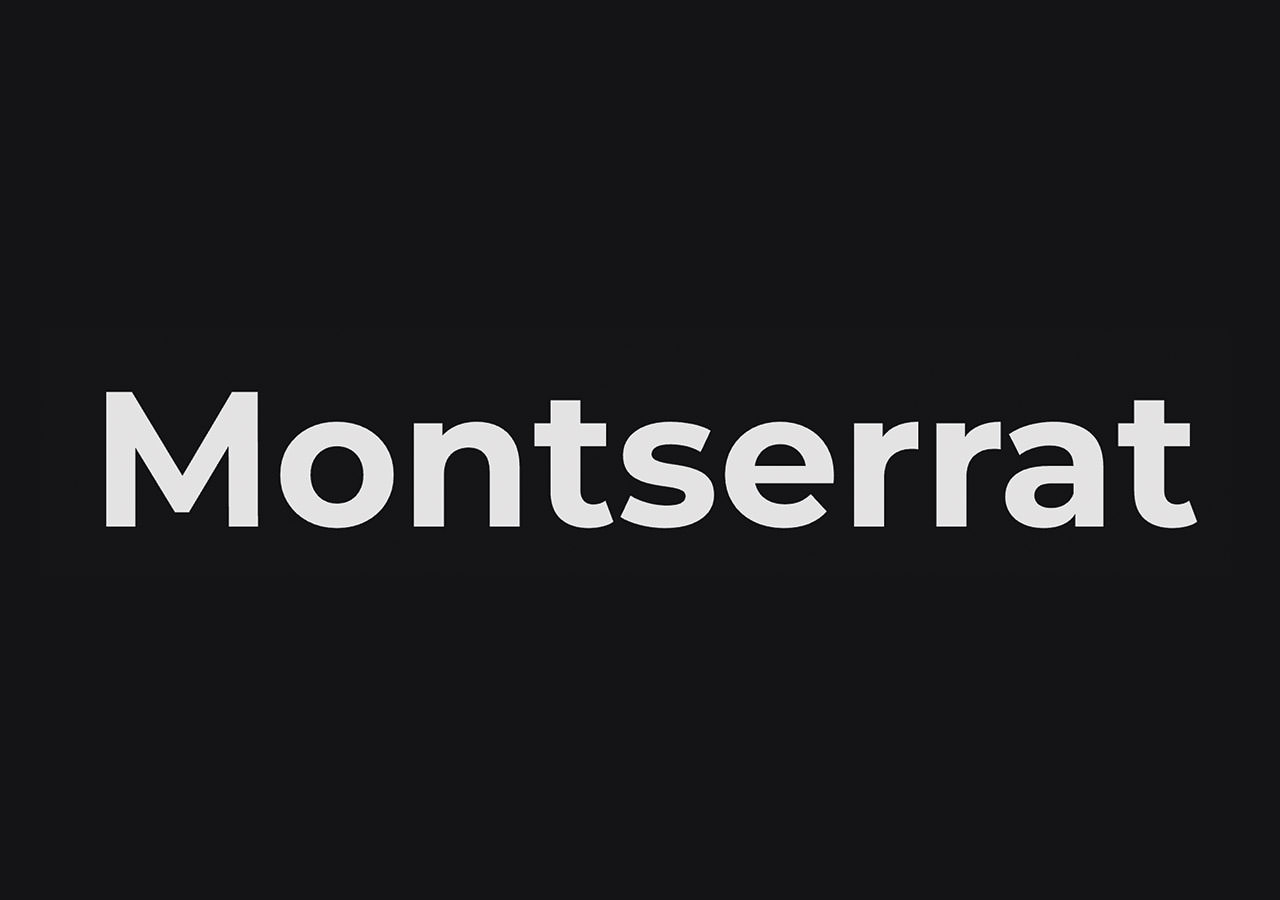
Montserrat is still one of the safest places to start.
It is geometric, clean, and easy to shape into a modern wordmark. The family is broad enough that you can go from light and elegant to bold and assertive without switching typefaces. If you are working on a tech brand, agency identity, or startup logo, this is usually a strong first option.
2. Poppins
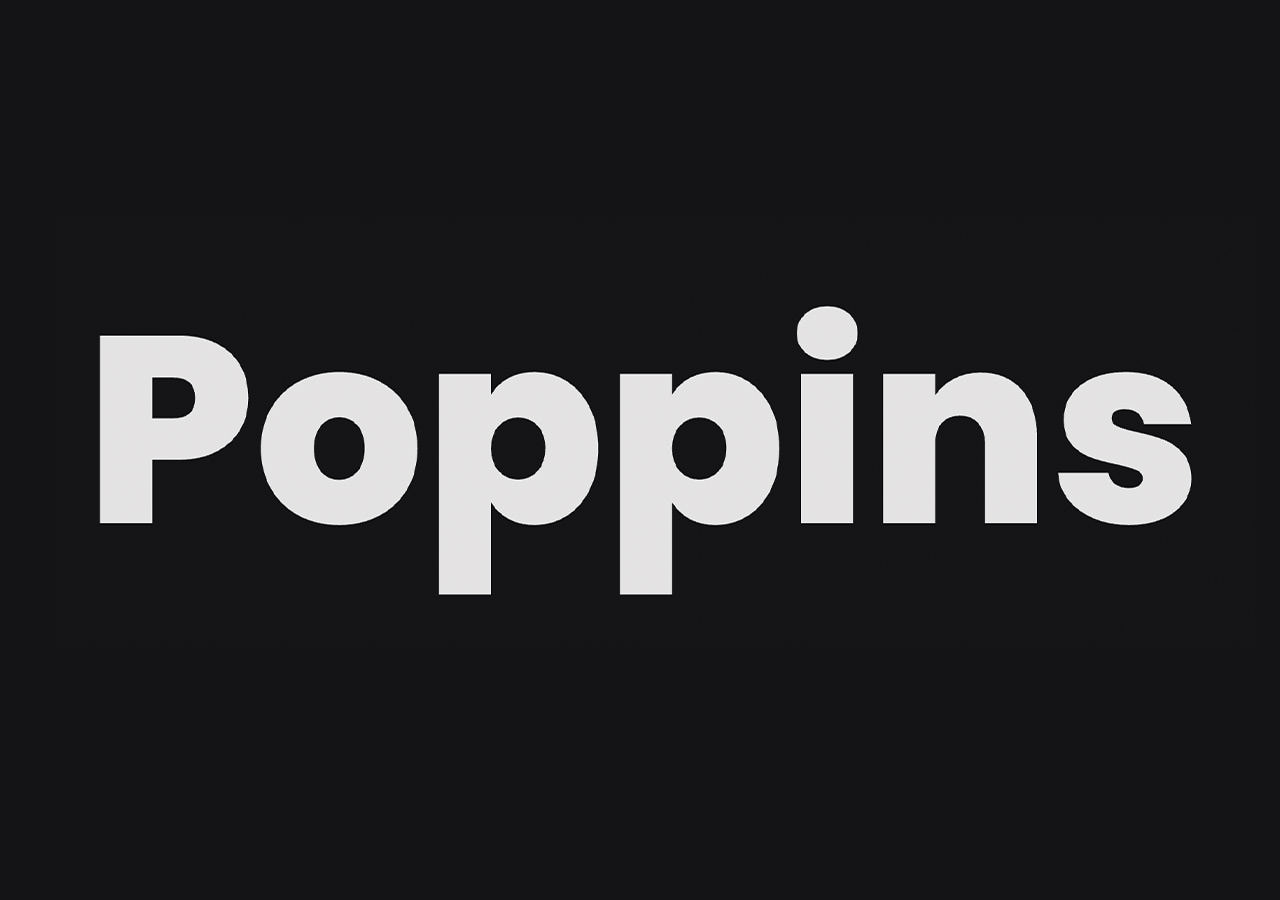
Poppins has a friendlier feel than Montserrat, but it still looks polished.
Its proportions are tidy, its rounds feel intentional, and it works especially well for brands that want to feel modern without becoming cold. I like it for e-commerce, apps, and product-led businesses that want something approachable.
3. Inter
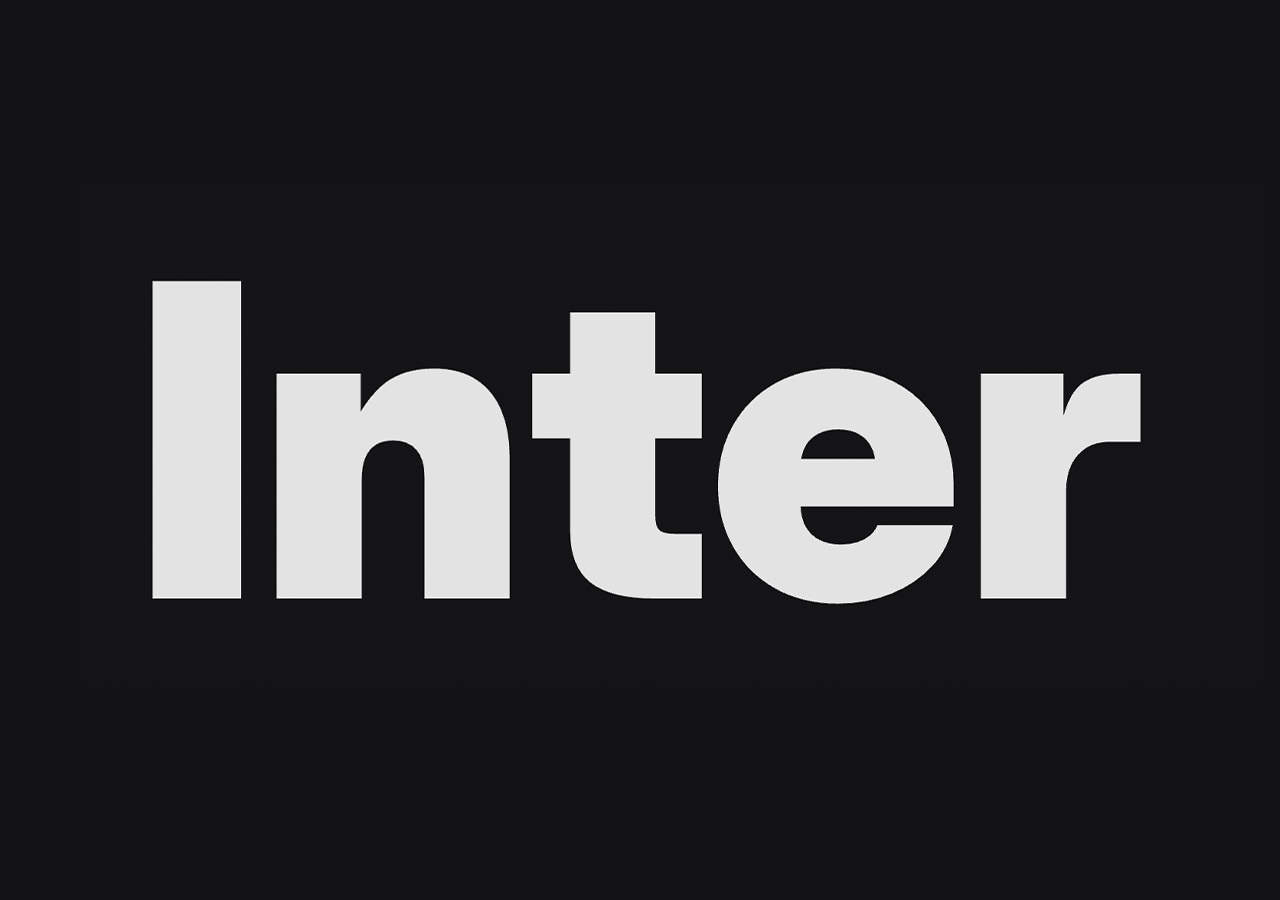
Inter was designed for screens, but it holds up surprisingly well in logos too.
It is not flashy, and that is exactly the point. If you want a mark that feels contemporary, neutral, and trustworthy, Inter gives you a very solid base. It is also one of the easiest fonts to customize with spacing and weight tweaks.
4. Geist
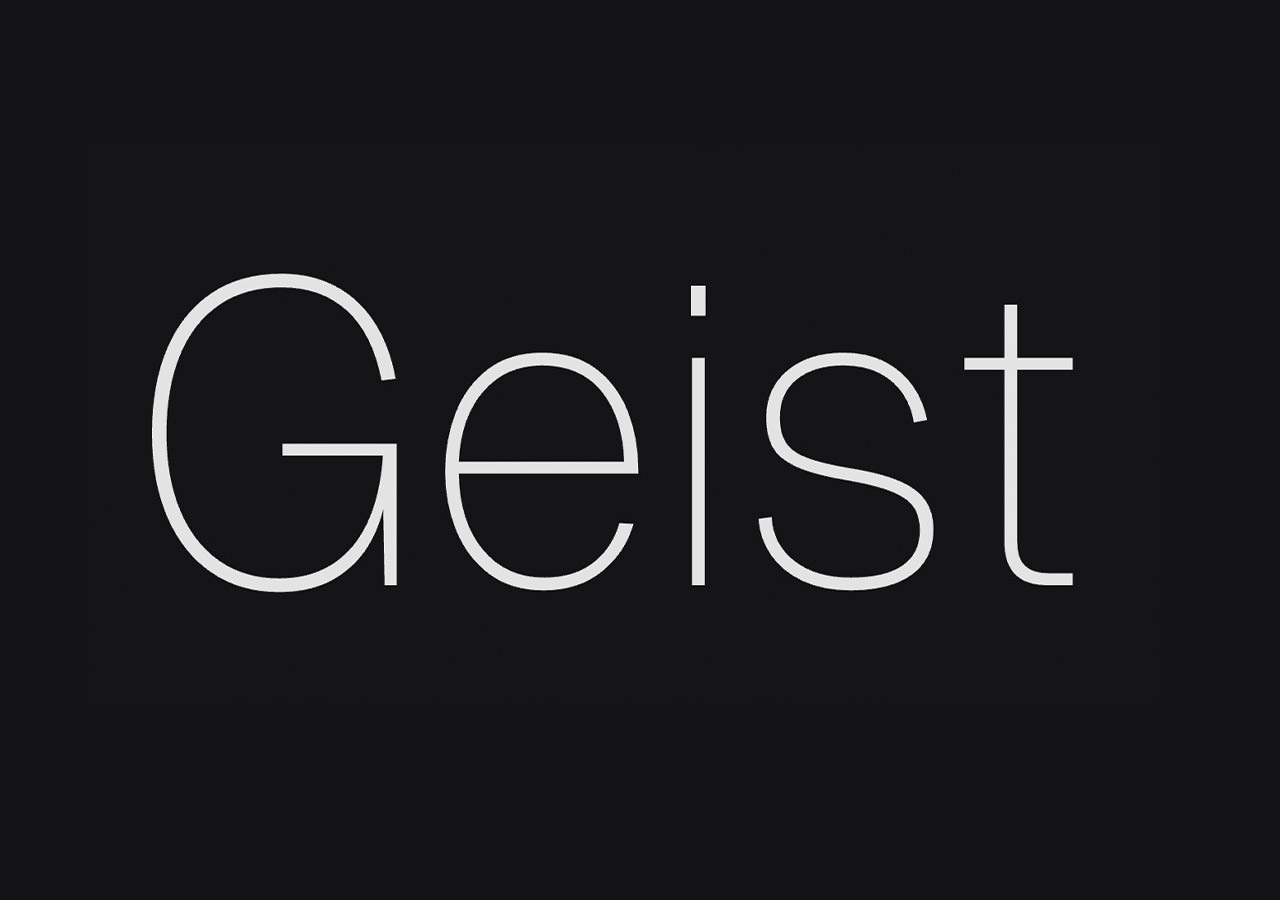
Geist feels sharp without trying too hard.
It has that clean neo-grotesque energy a lot of newer tech brands lean toward, but it does not feel sterile. If you are building a minimal logo for a software product, AI tool, or developer-facing brand, Geist is worth testing early.
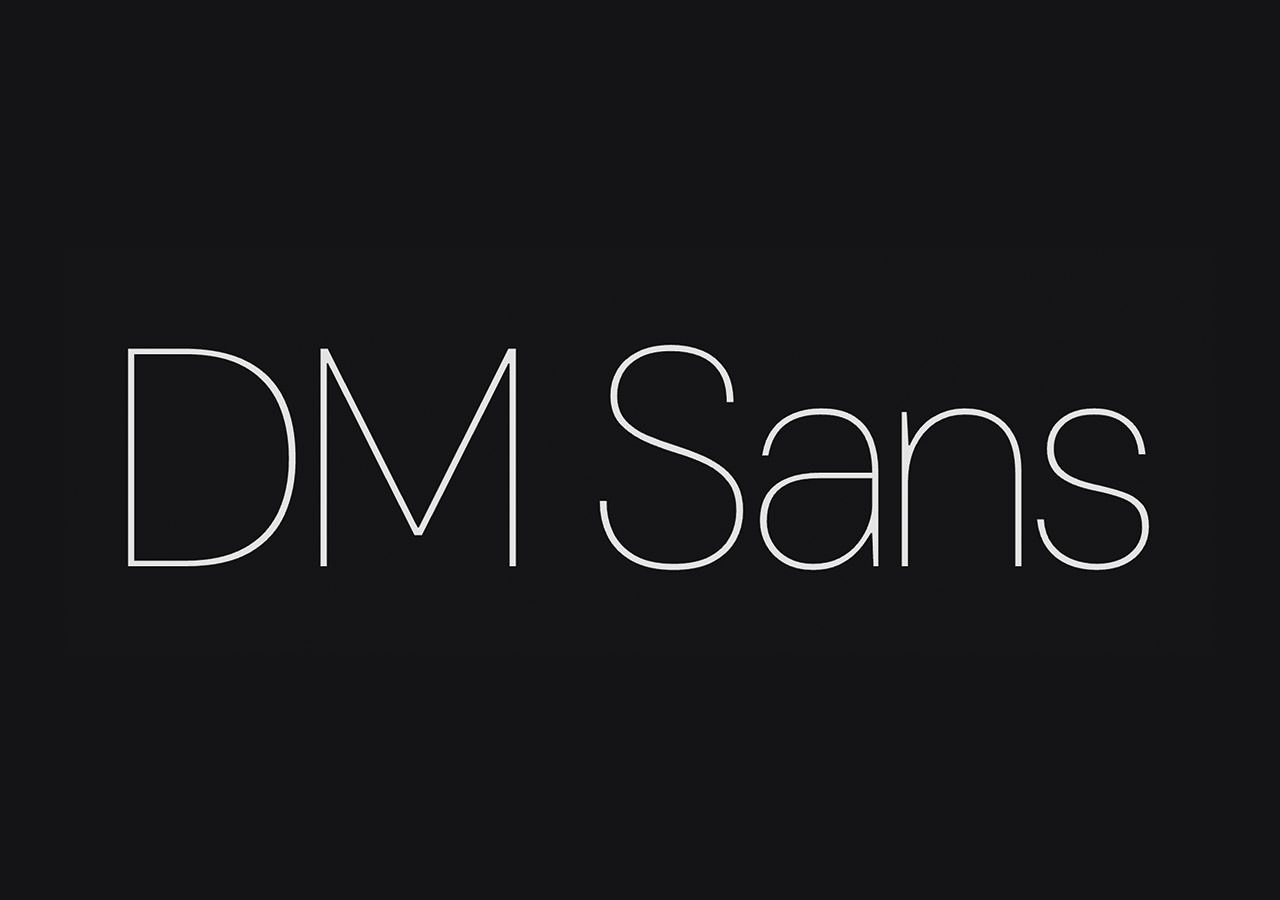
5. DM Sans
DM Sans sits in a nice middle ground.
It is modern, low-contrast, and easy to work with, but it still has enough warmth to avoid feeling anonymous. This is a good option when you want a logo to feel current and professional without becoming too corporate.
6. Space Grotesk
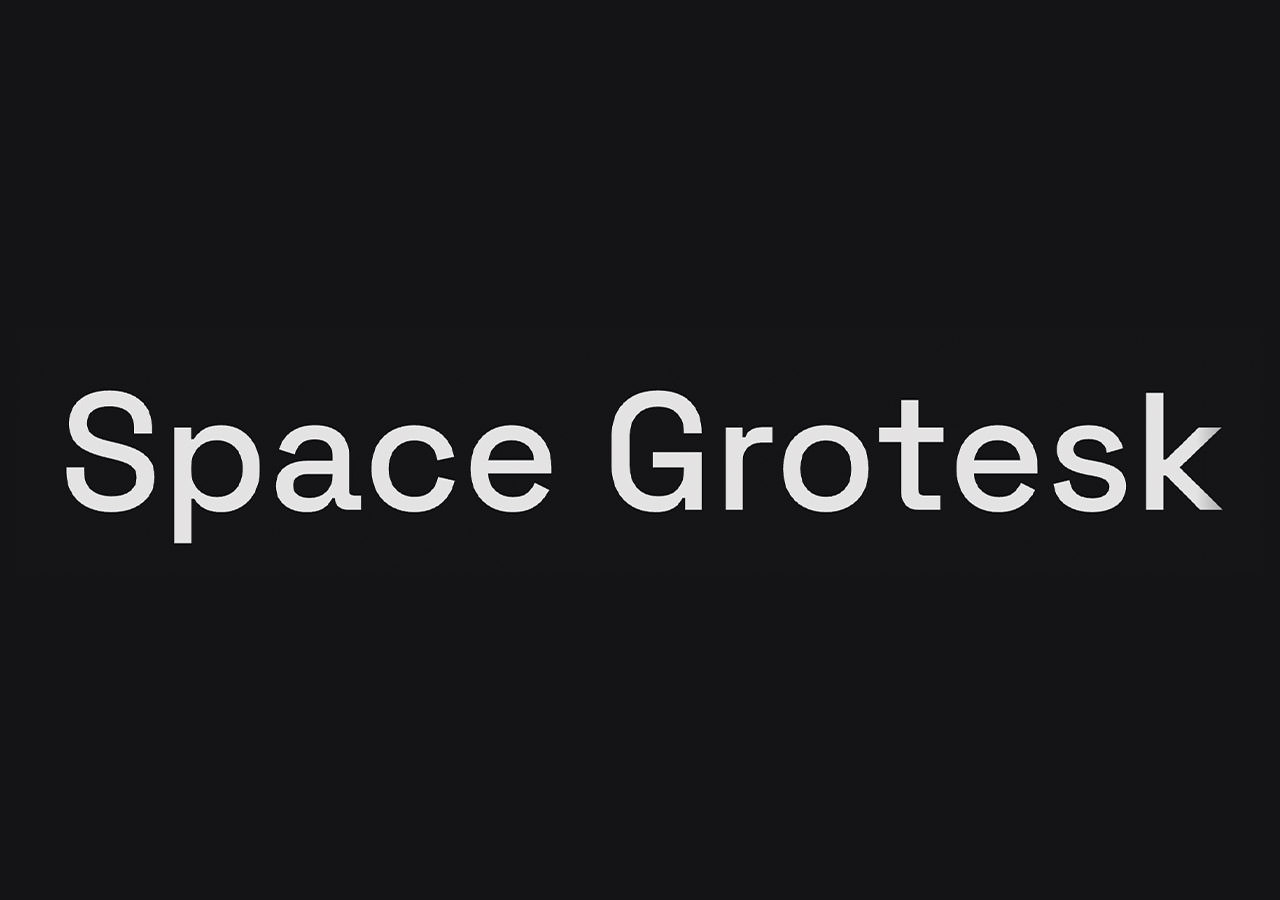
If you want something with a little more personality, Space Grotesk is a strong pick.
It keeps the clarity of a sans-serif, but its shapes feel more distinctive than the usual geometric choices. That makes it useful for AI, gaming, creative tooling, and brands that want to feel modern with a bit of edge.
7. Work Sans
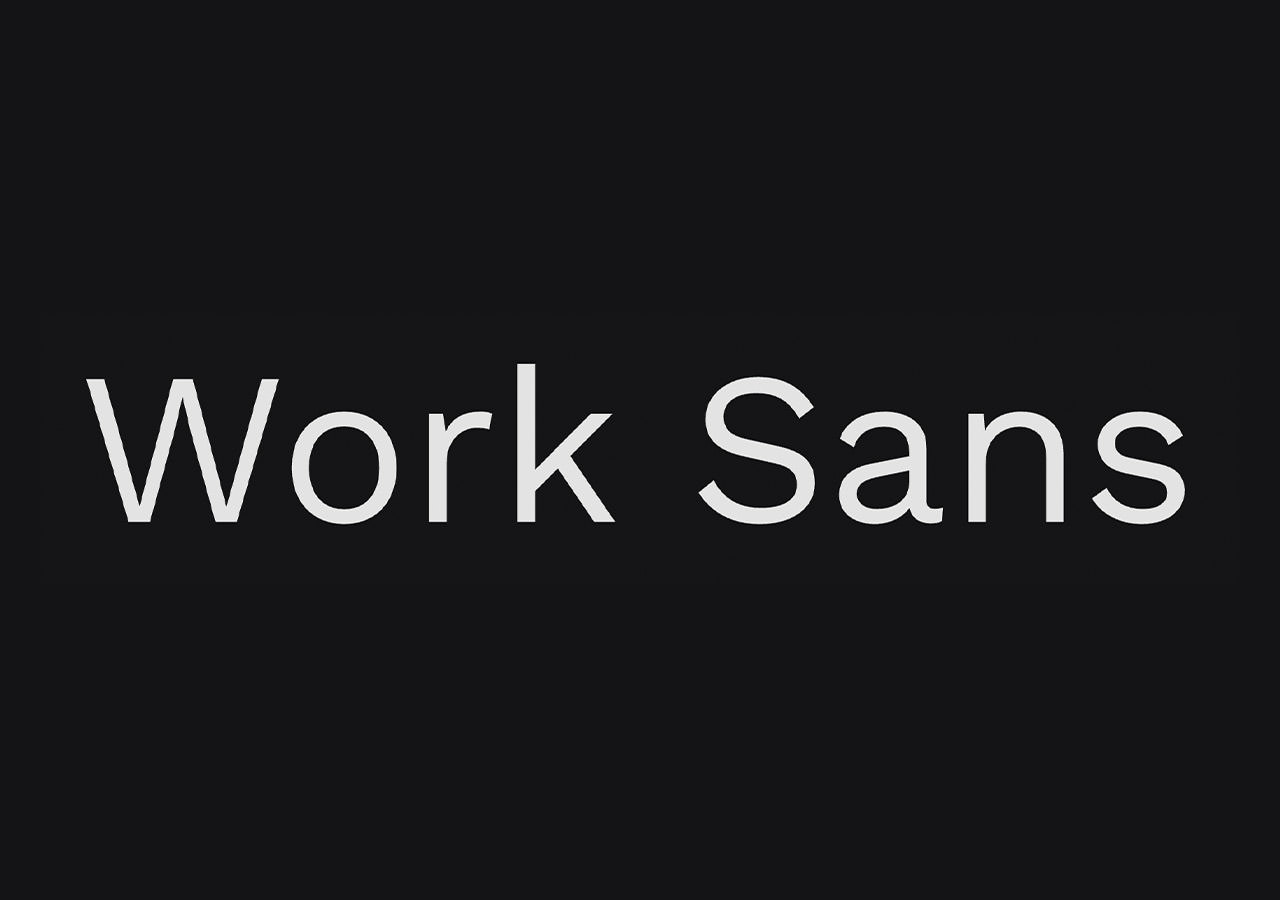
Work Sans is understated in a good way.
It does not shout, but it gives you a clean structure that is easy to trust. For logos that need to feel stable, professional, and not trend-chasing, this one works well. Think consulting, SaaS, or internal tools that still need a proper identity.
8. Oswald
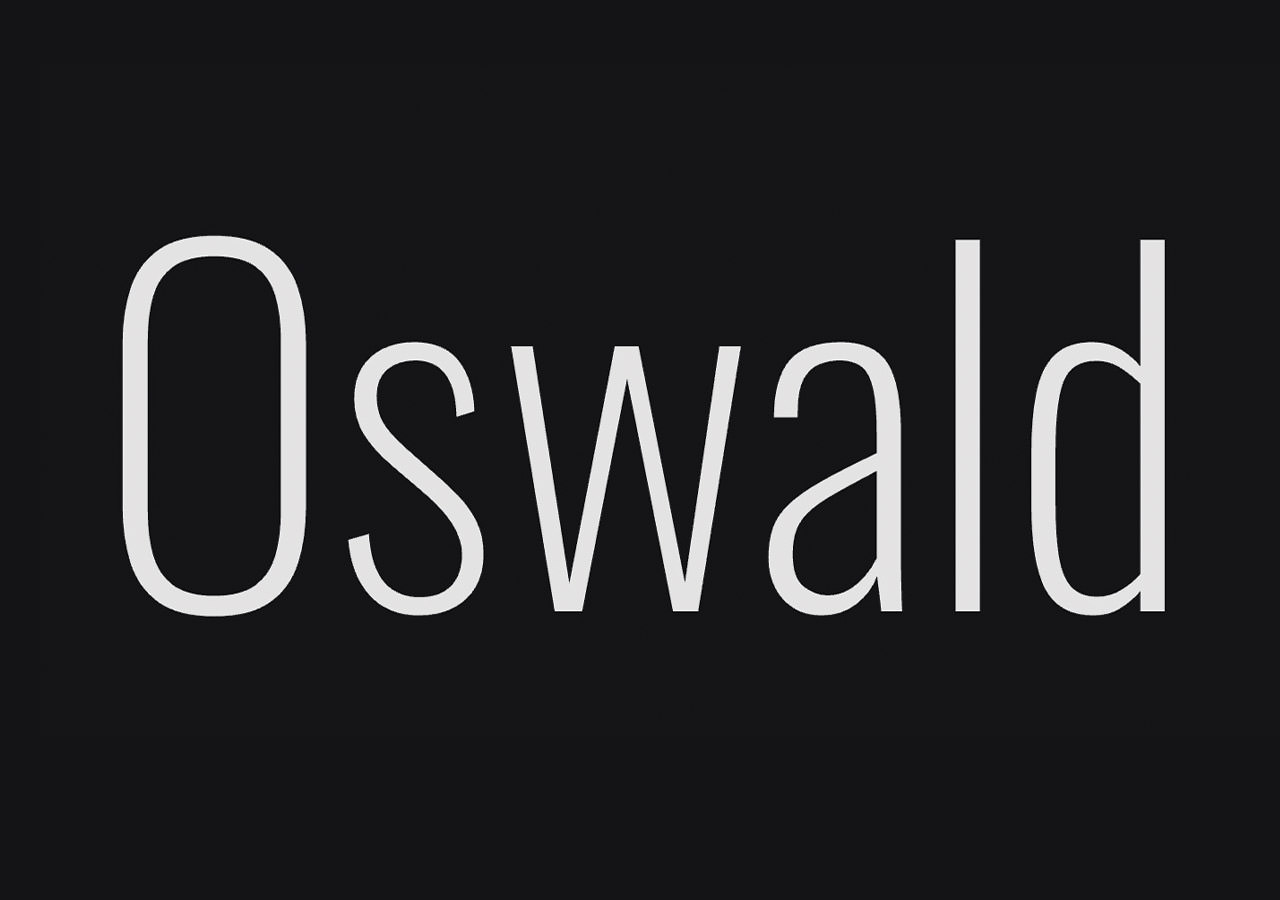
Oswald is narrow, bold, and very hard to ignore.
If you need a logo to hit harder in tighter horizontal space, this is a useful option. It works well for streetwear, sports, packaging, and any wordmark that benefits from a condensed silhouette.
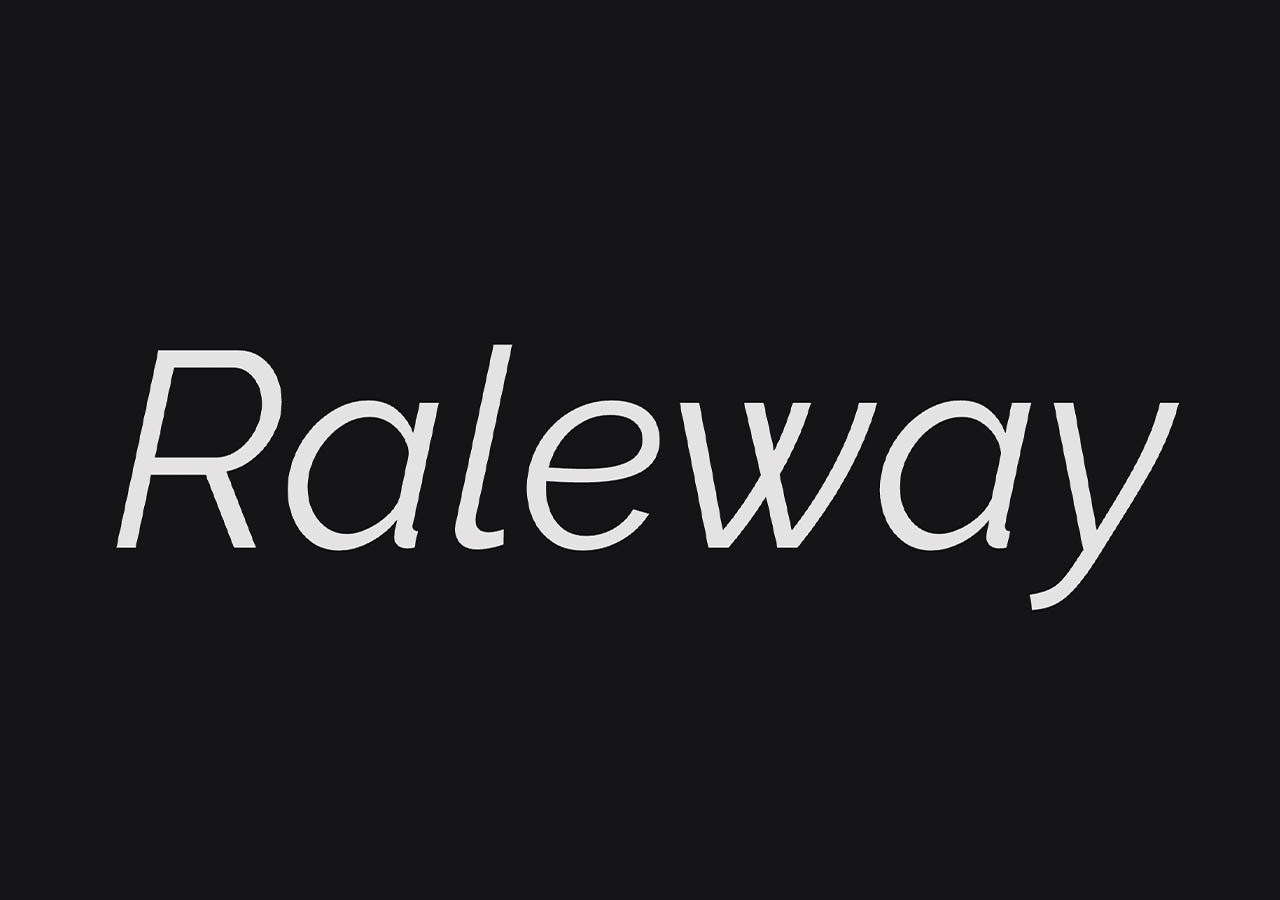
9. Raleway
Raleway is elegant without becoming too delicate.
It gives you those refined lines that work well for fashion, beauty, lifestyle, and editorial-style brands, especially if you are aiming for a lighter, more premium tone.
10. Lato
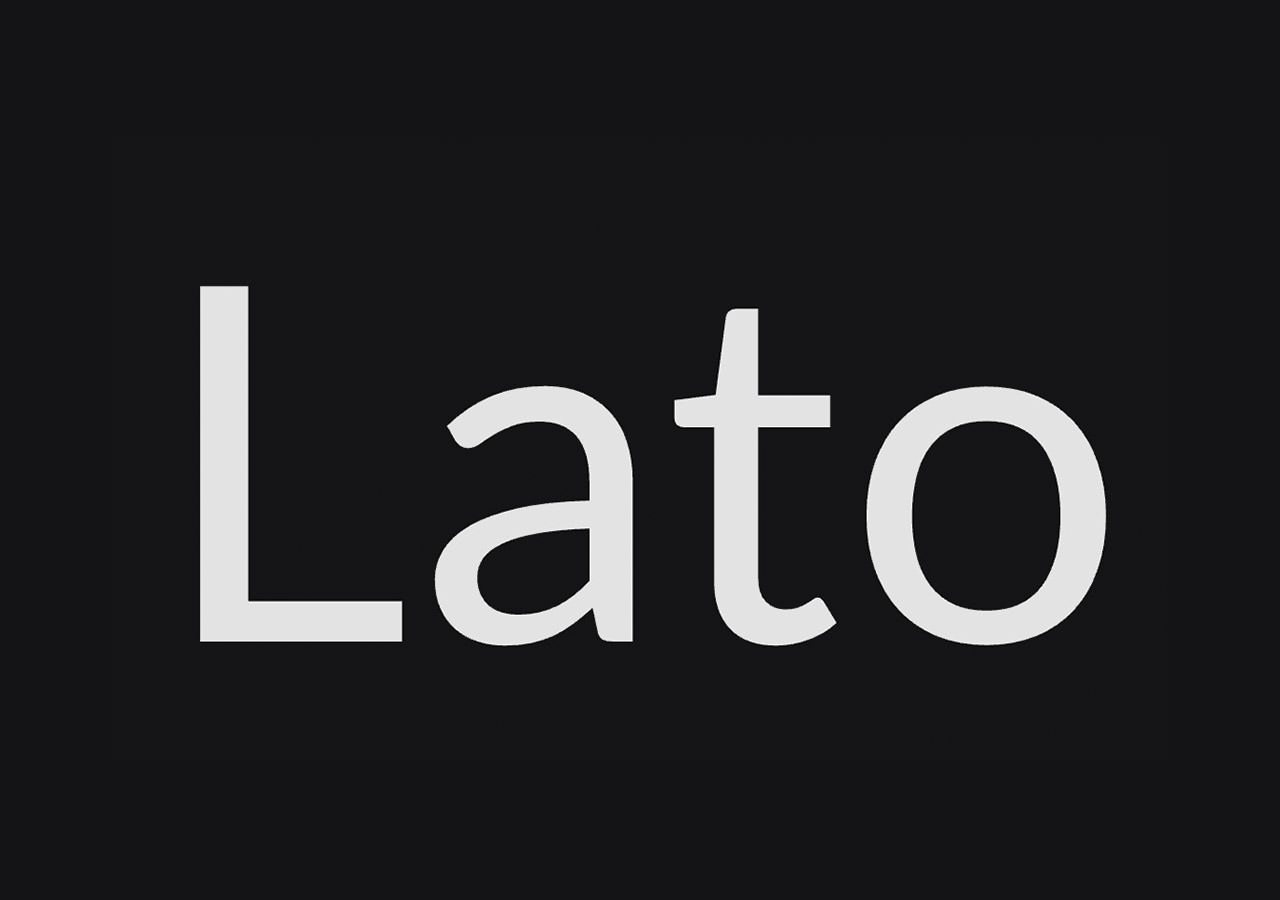
Lato feels warm and familiar.
That makes it a good fit for brands that need to feel human first, polished second. It is not the most distinctive font on this list, but for healthcare, education, and community-led brands, that softness can be a strength.
11. Roboto
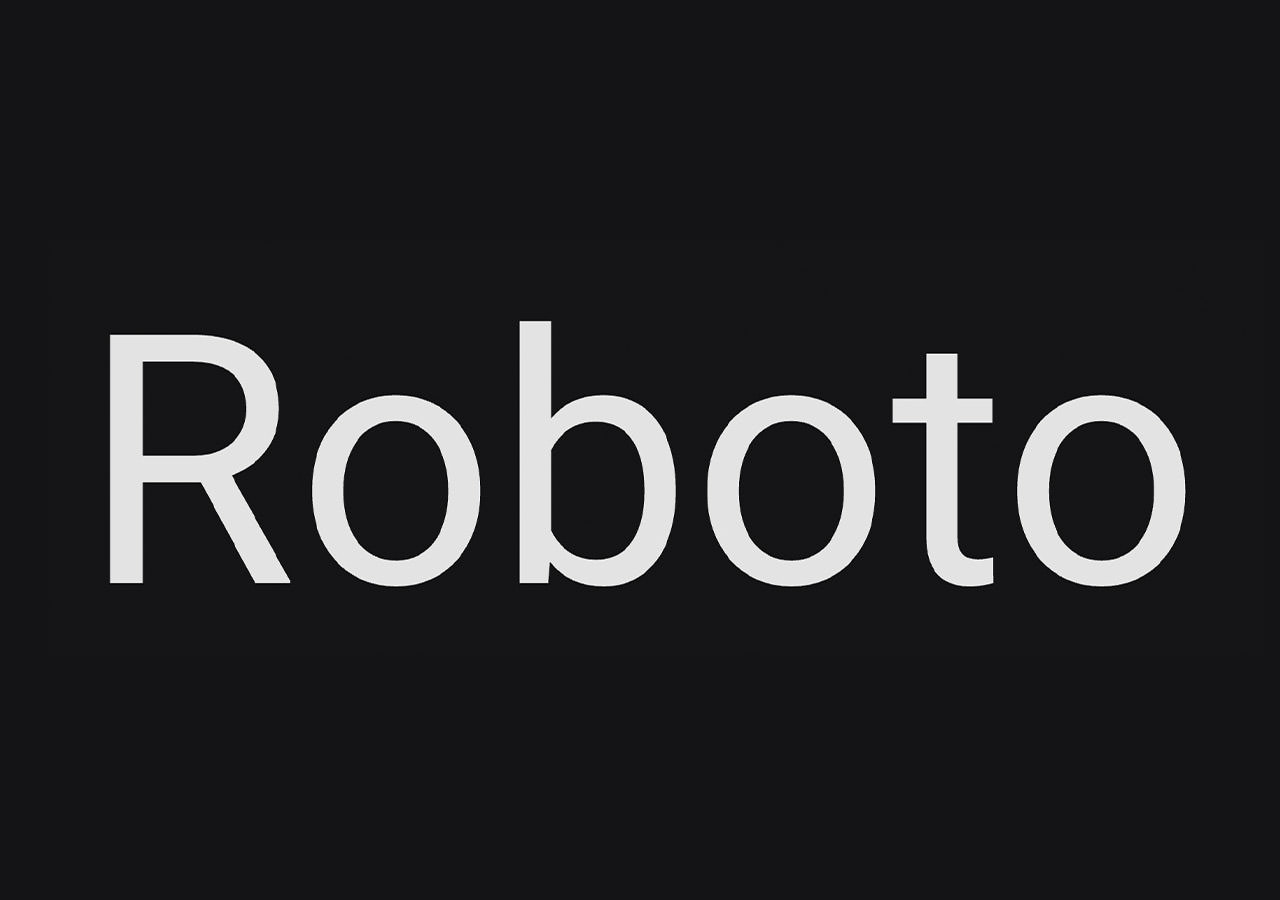
Roboto is everywhere, which is both its strength and its weakness.
On its own, it can feel a little plain. But if you are willing to customize spacing, casing, or a few letter details, it can become a very clean logo foundation. Useful when you want function first.
12. Public Sans
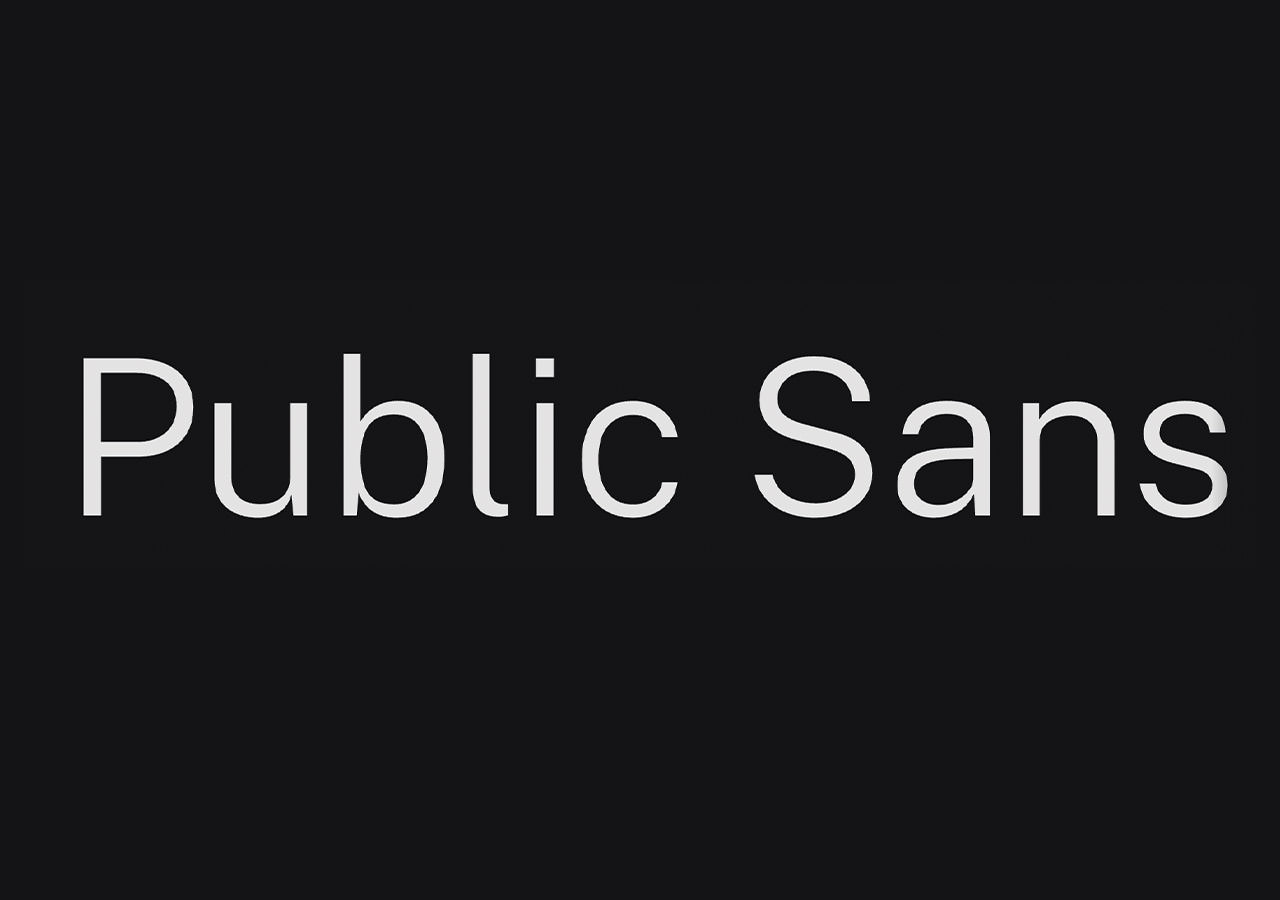
Public Sans is about clarity.
It is open, neutral, and flexible, which makes it a practical choice for institutional brands, service companies, and projects that need credibility without decorative styling.
13. Nunito
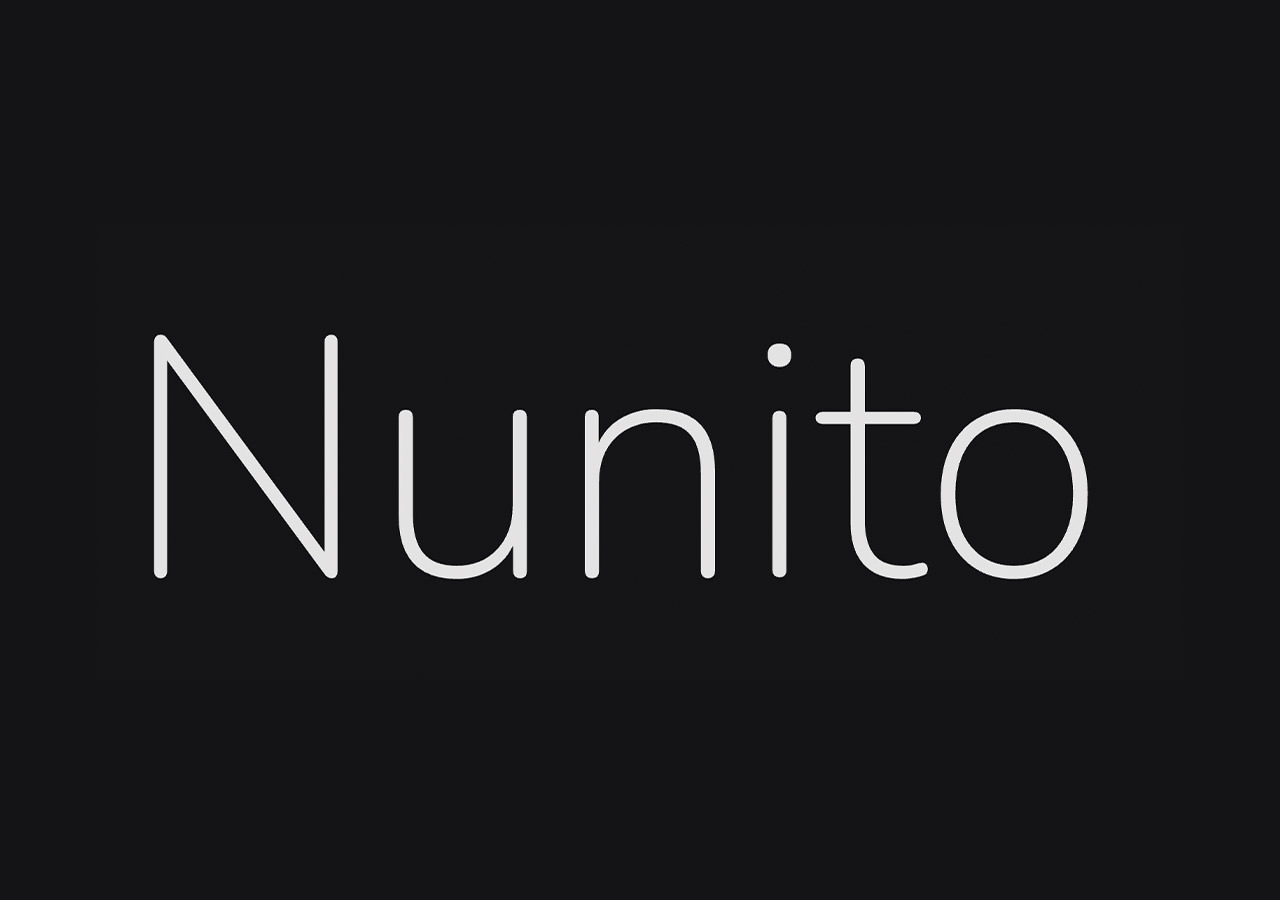
Nunito leans softer and rounder than most sans-serifs here. If you want more ideas in that direction, this roundup of rounded fonts is a useful companion.
That makes it a good candidate for playful brands, family-facing products, education tools, or anything that wants to feel friendly without tipping into cartoon territory.
14. Playfair Display
Not every logo needs a sans-serif.
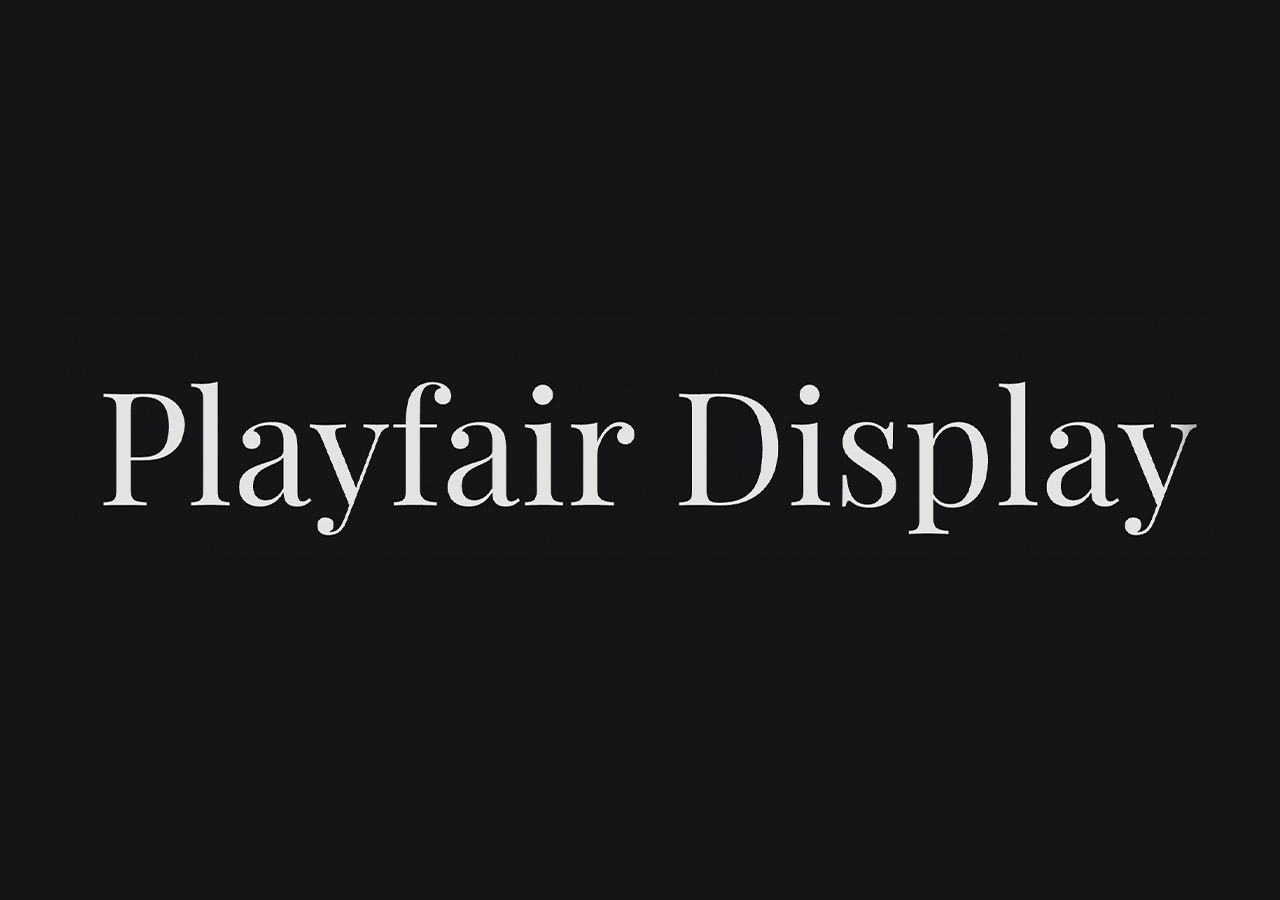
Playfair Display brings contrast, elegance, and a more classic tone. It is a strong option for beauty brands, editorial projects, luxury products, and anything that benefits from a serif with a little drama.
15. Rubik
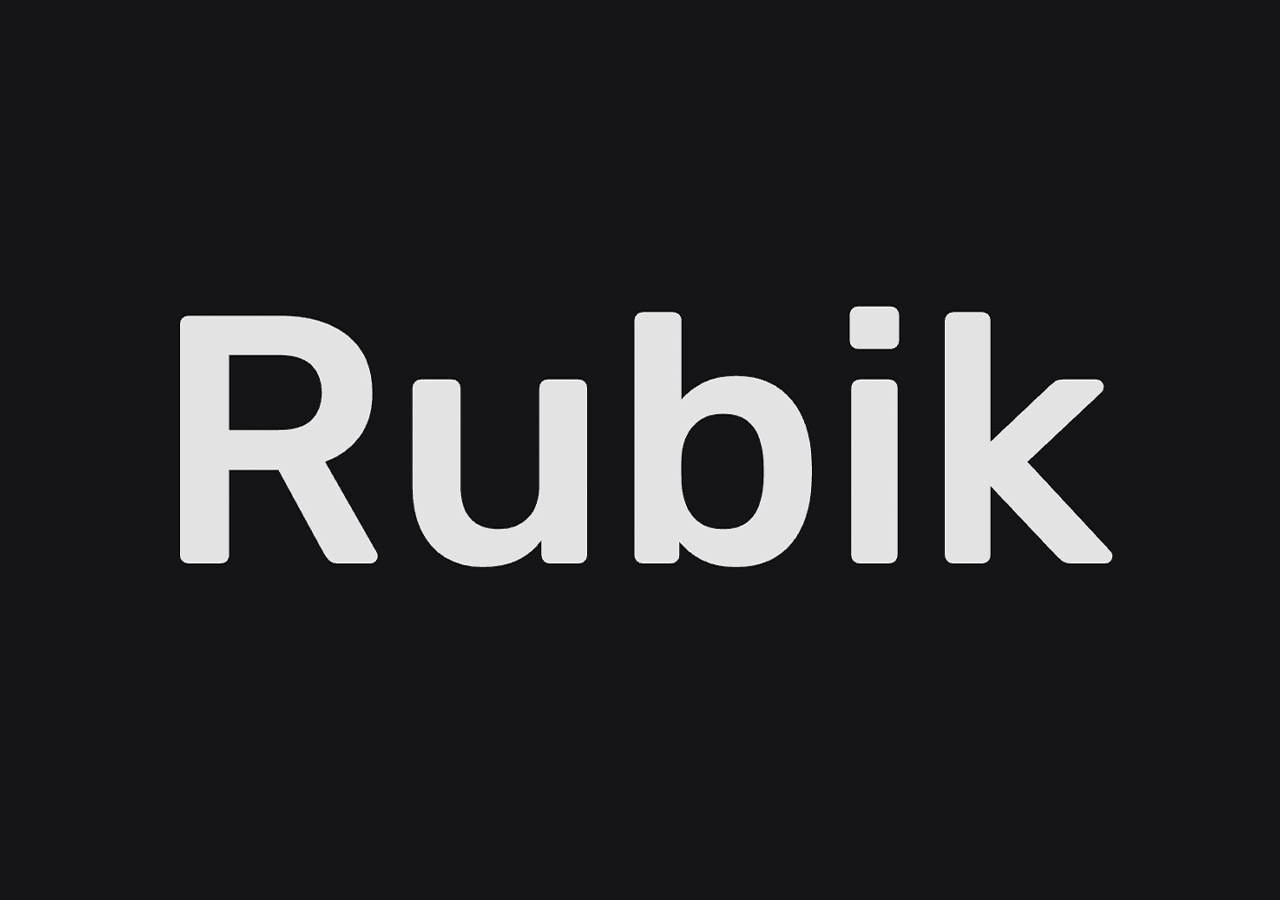
Rubik feels geometric, but less rigid.
Its rounded corners give it a friendlier character, which helps when you want something modern and legible that still feels relaxed. Good for apps, digital products, and newer consumer brands.
16. Outfit
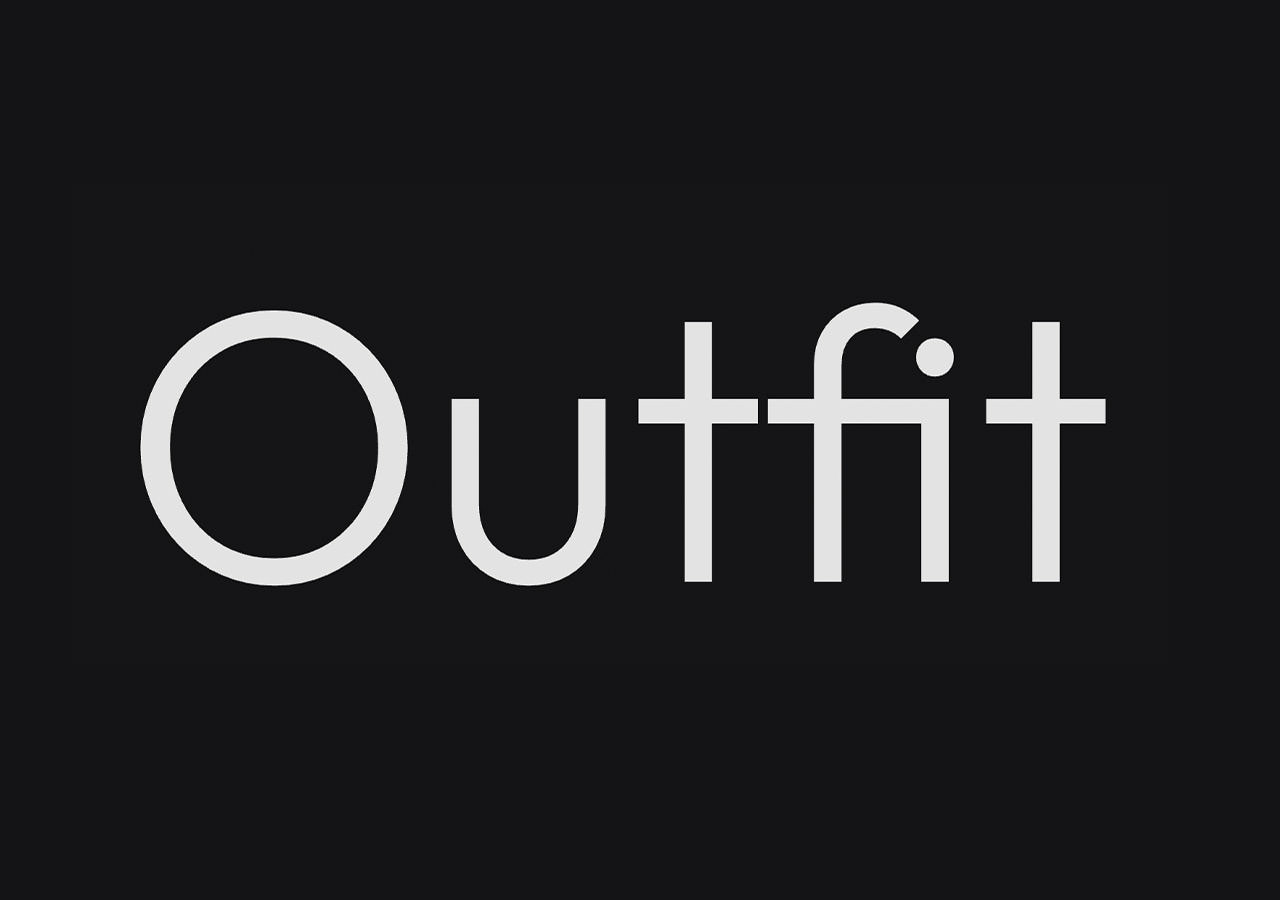
Outfit is calm, clean, and quietly competent.
It does not have the instant recognizability of some other families on this list, but that can be useful. It leaves room for the rest of the identity system to do more of the talking.
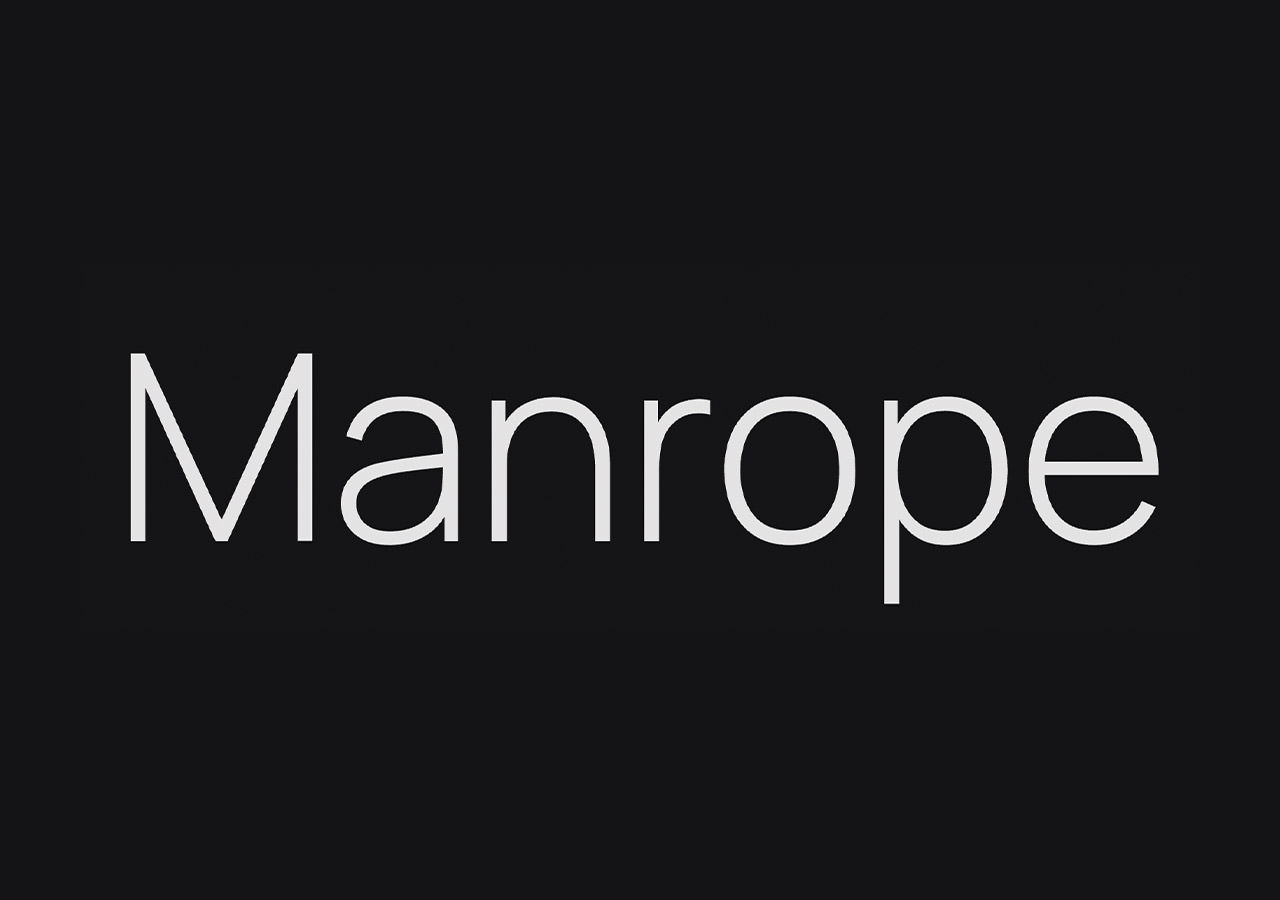
17. Manrope
Manrope feels premium without being stiff.
It has strong proportions, a polished finish, and enough flexibility to work across minimalist, editorial, and product-focused logos. It is one of those fonts that often looks better in practice than it does in a specimen.
18. Bricolage Grotesque
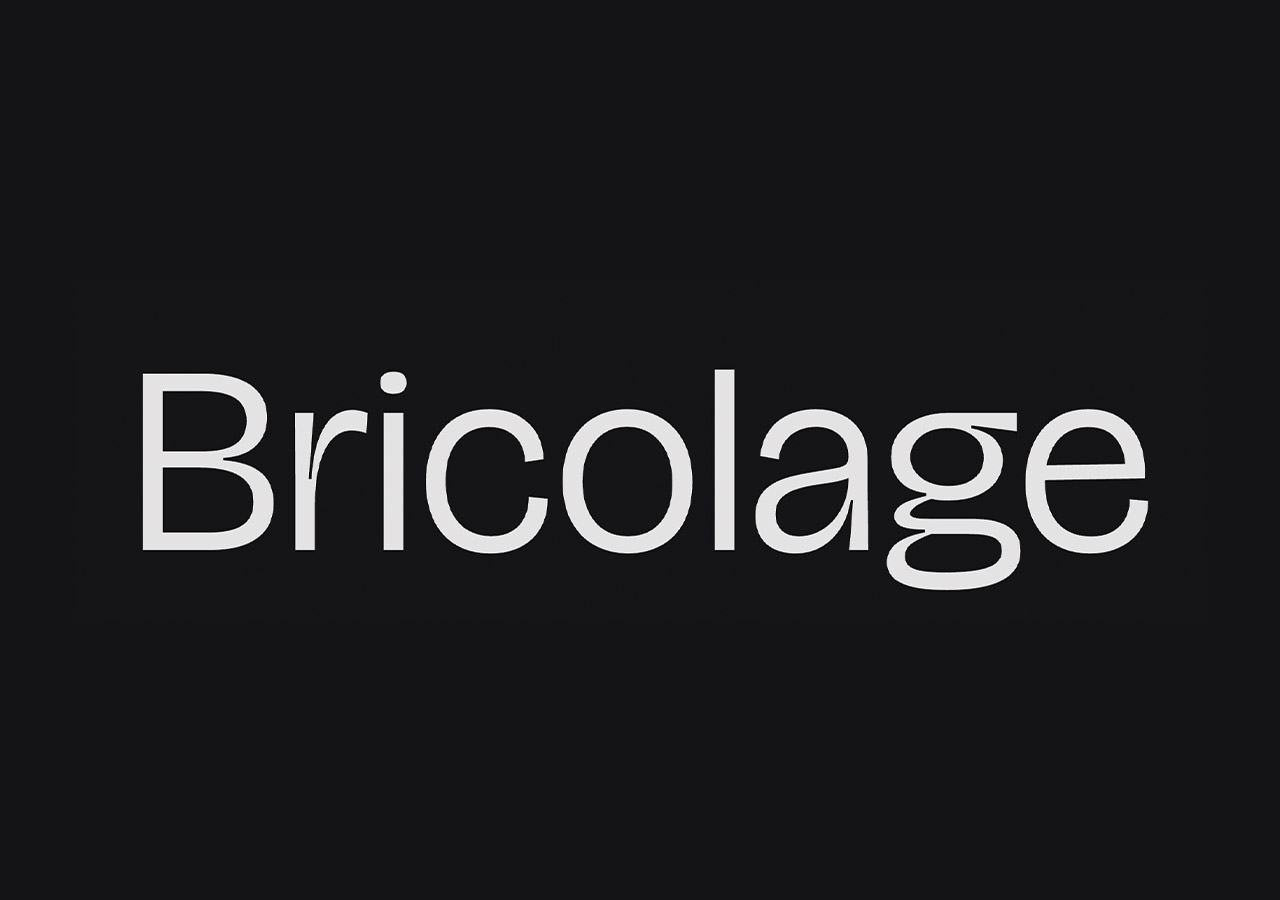
Bricolage Grotesque is for brands that want more flavor.
It has a slightly more expressive rhythm than the safer sans-serifs above, which helps if your logo needs to stand out while still looking professional. I would test this one for creative studios, culture brands, and design-forward products.
19. Space Mono
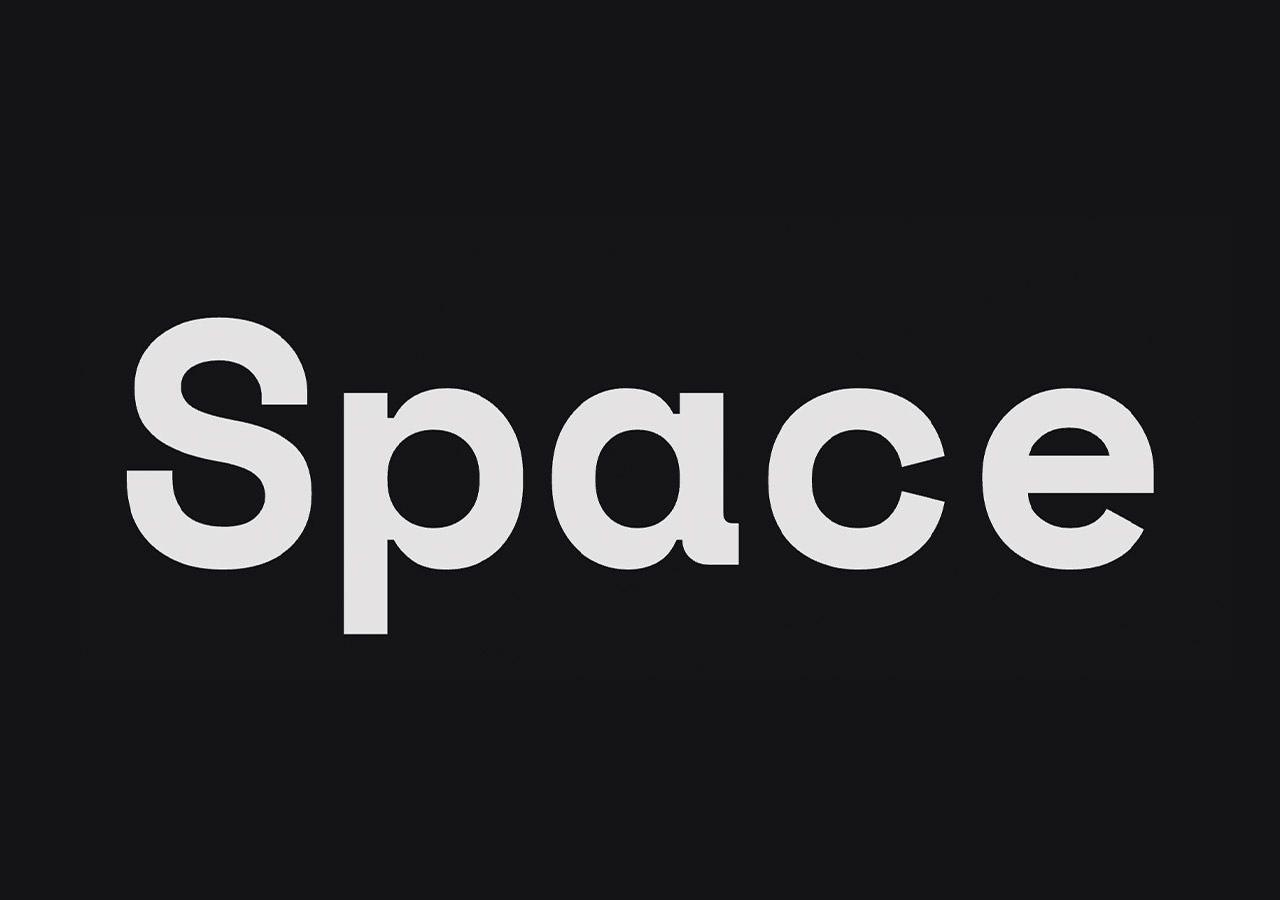
Space Mono is not subtle, and that is why it works.
If the brand leans technical, retro, experimental, or developer-centric, a monospace logo can be exactly the right move. You would not use it for everything, but when it fits, it really fits.
20. Bebas Neue
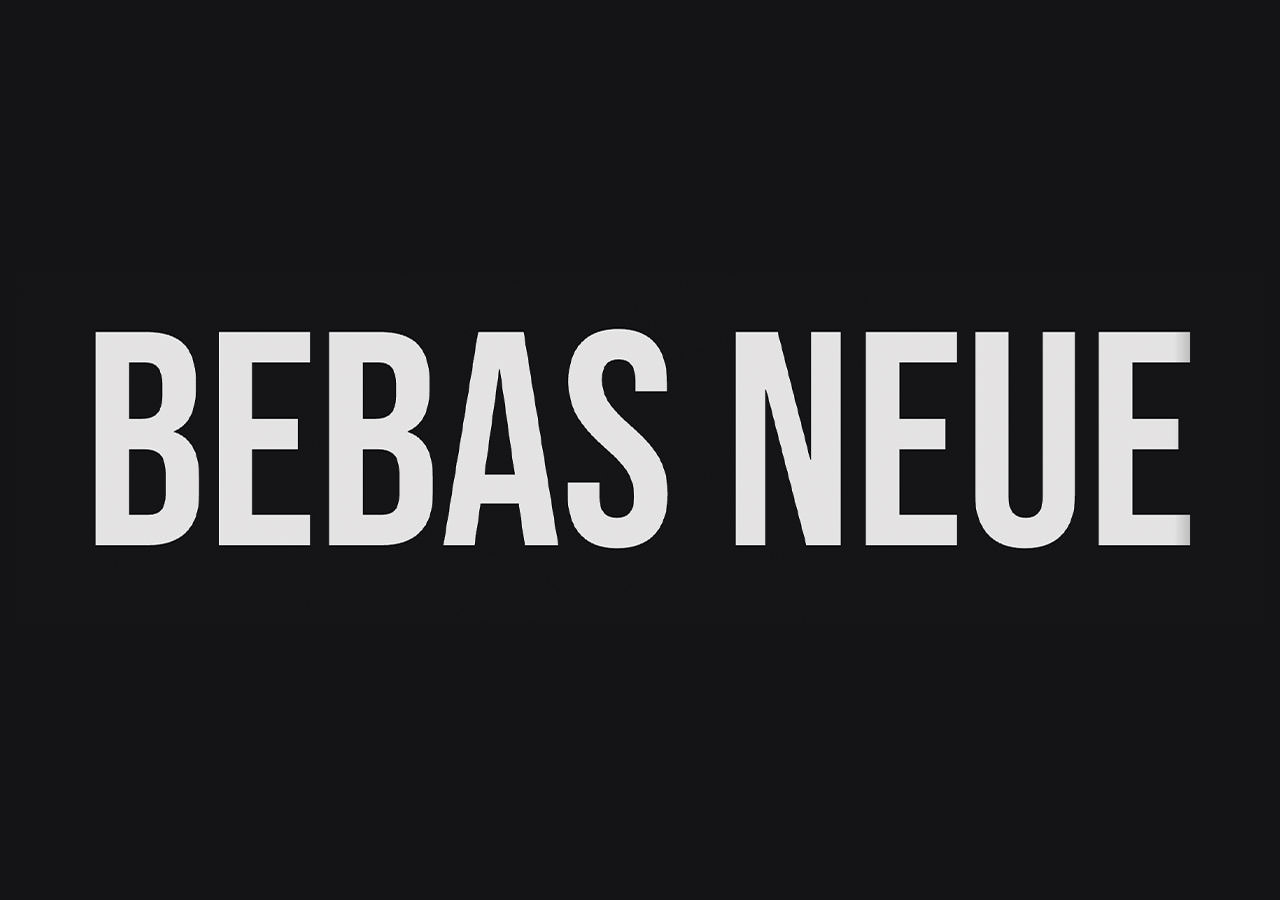
Bebas Neue is the blunt instrument of the bunch.
Tall, condensed, and built to grab attention, it works best when you want impact more than nuance. If you are exploring heavier serif alternatives too, these slab serif fonts are worth a look.
A Few Quick Tips Before You Pick One
Here is the part people skip.
Do not choose a logo font from the specimen page alone. Type the actual brand name. Test it in uppercase, lowercase, and mixed case. Tighten the spacing. Loosen it again. Look at it small. Look at it ugly. Black and white first, color later.
- Scalability: does it still read at favicon size?
- Uniqueness: does it look like everyone else in your category?
- Customization potential: can you tweak it into something ownable?
- Pairing options: will it work with a tagline or supporting typeface?
- License clarity: is commercial use clearly allowed today, not just in an old blog post?
A good logo font is rarely the finished logo. It is the starting point.
Final Thoughts
If you want the safest all-rounders, start with Montserrat, Poppins, Inter, or Manrope.
If you want more personality, test Space Grotesk, Bricolage Grotesque, or Space Mono.
And if the goal is elegance, Raleway and Playfair Display are still very hard to beat.
The best choice, as usual, depends on the brand. But at least now you do not need to spend money just to get into the right neighborhood.
If I had to pick three to test first for most modern logo projects, I would start with Montserrat, Geist, and Manrope.