Fresh Resources for Web Designers and Developers (July 2026)
July has been a busy month for new tools. This batch runs from AI agent evaluations and what AI agent skills actually do to self-hosted SSO, a PHP compiler that outputs native assembly, and a terminal app that speaks SCP, SFTP, S3, and half a dozen more protocols. If you are building apps, websites, or simply exploring what is new this month, I think you will find something worth your time here.
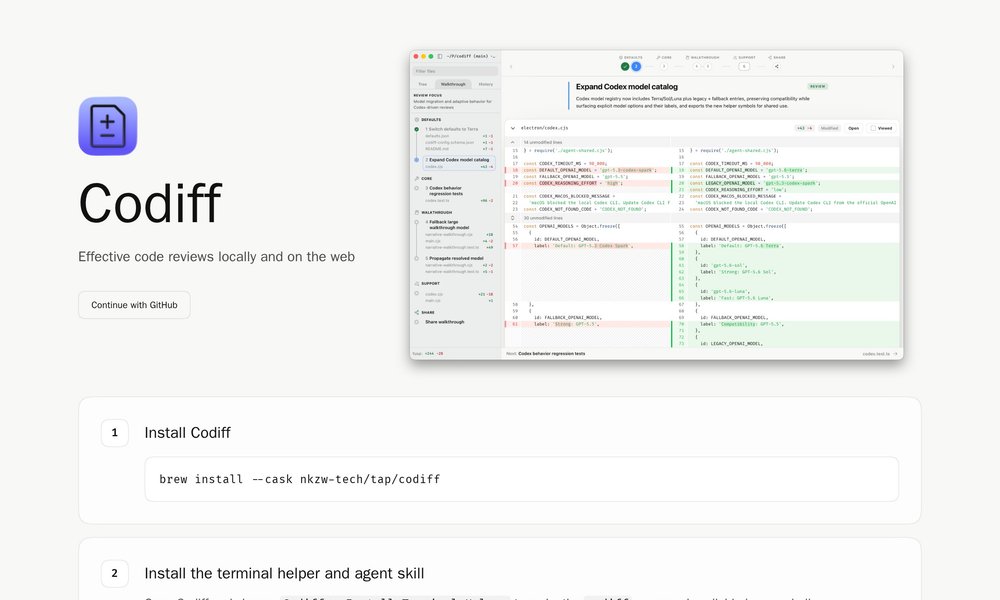
Codiff
Codiff is a fast, minimal diff viewer for reviewing Git changes outside your editor. It generates LLM walkthroughs of your code differences, supports inline comments on GitHub and GitLab, and exports reviews as Markdown. This seems like a faster alternative to flipping through GitHub’s diff view.
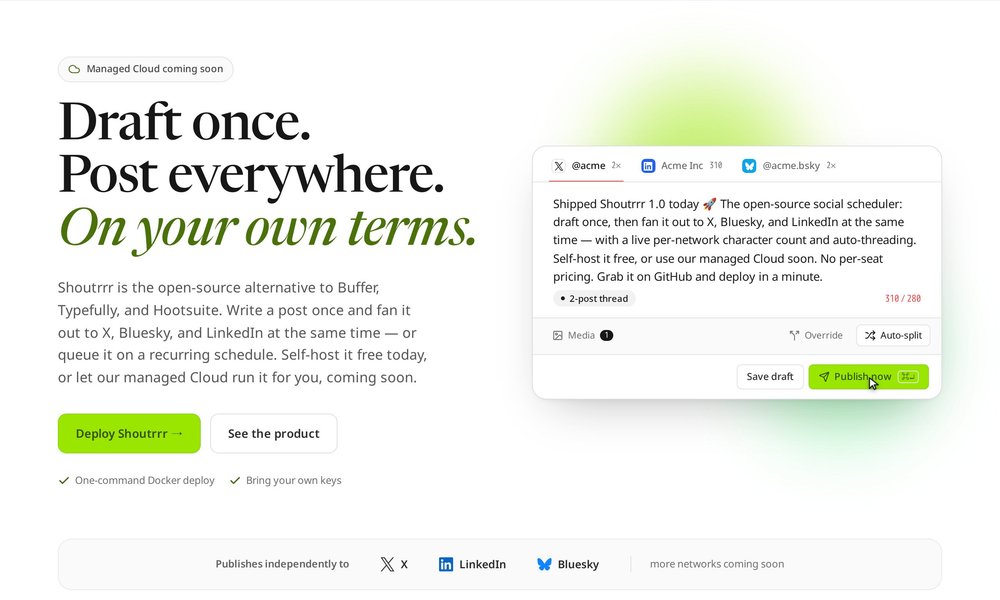
Shoutrrr
Shoutrrr is an open-source alternative to Buffer and Hootsuite. You draft once and publish to X, Bluesky, and LinkedIn from one place. It handles scheduled queues, workspaces, and team access with encrypted credentials, which is one less thing to worry about with a self-hosted tool. You can deploy Shoutrrr via Docker or wait for the managed cloud version.
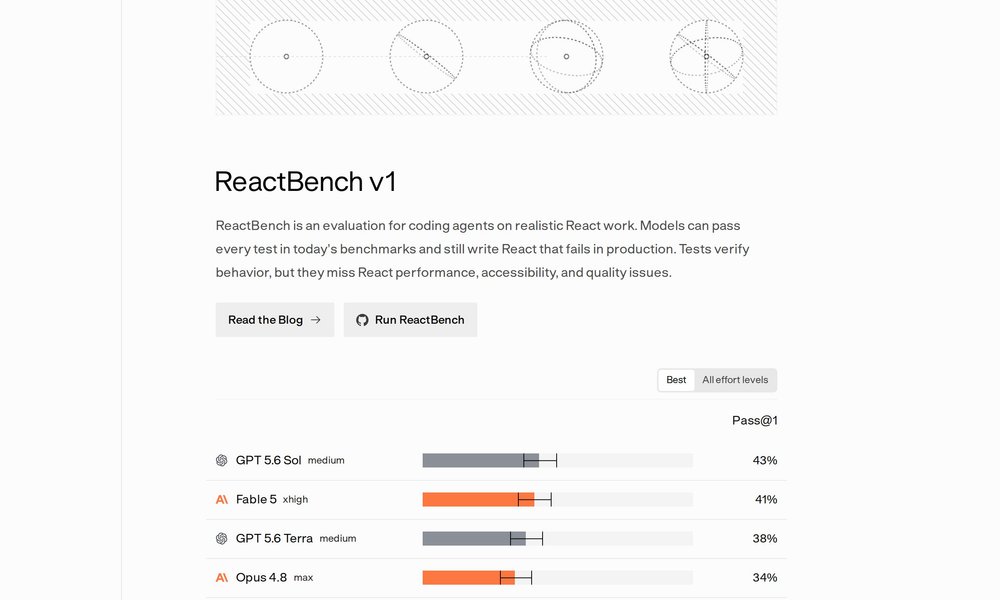
ReactBench
ReactBench evaluates coding agents on real React work, testing performance, accessibility, and quality rather than just unit test pass rates. It shows which models actually ship production-ready components, which pairs nicely with our look at AI-powered code editors. I think the leaderboard is useful if you are trying to pick which model to use for frontend generation. It is from the team behind React Doctor.
Foglamp Scan
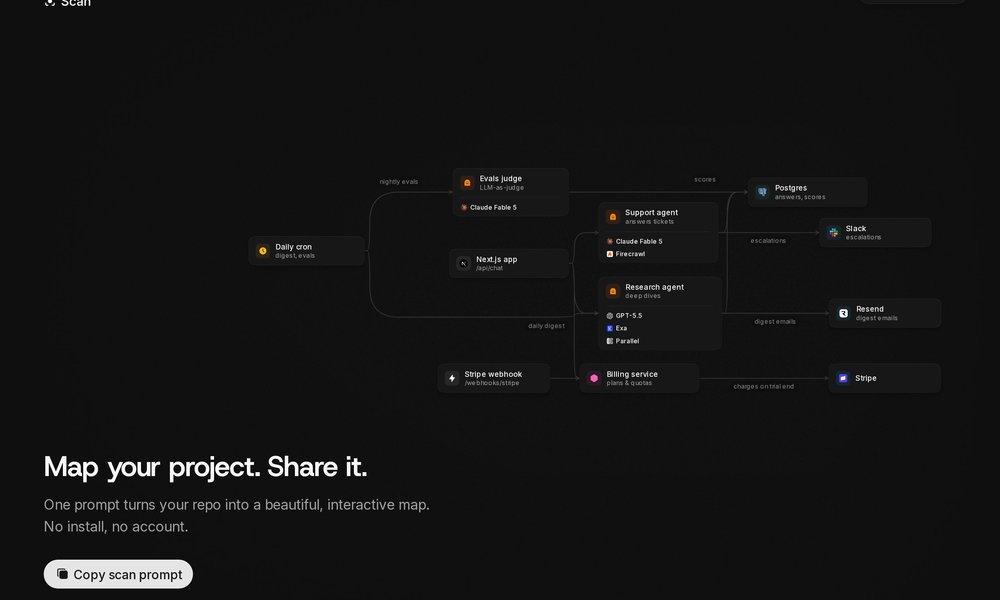
Foglamp Scan generates a shareable map of your codebase with zero setup. You give the prompt to your coding agent, and it analyzes your project structure and visualizes the architecture. There is no install and no account needed. I think it is useful when you land on an unfamiliar repo you have not touched in months.
OpenChamber
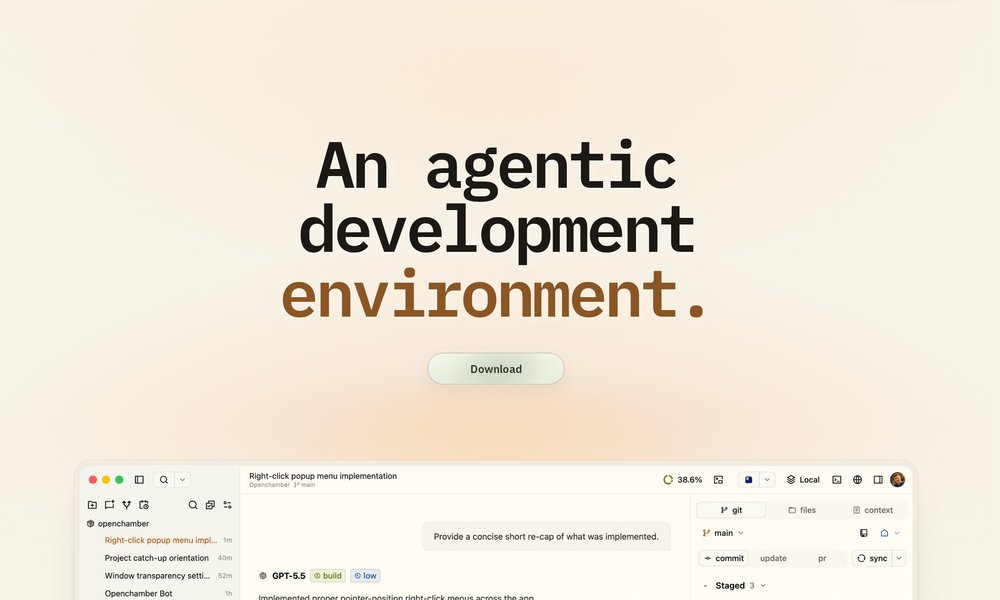
OpenChamber is an agentic dev environment for AI coding that runs on macOS, Windows, or through a browser. It supports multi-window workflows, parallel multi-model runs via Agent Manager, remote tunnel access with a password gate, and a native mobile app in beta. I think it handles running multiple AI agents at once better than most alternatives I have tried. It is open source.
Docker Go SDK
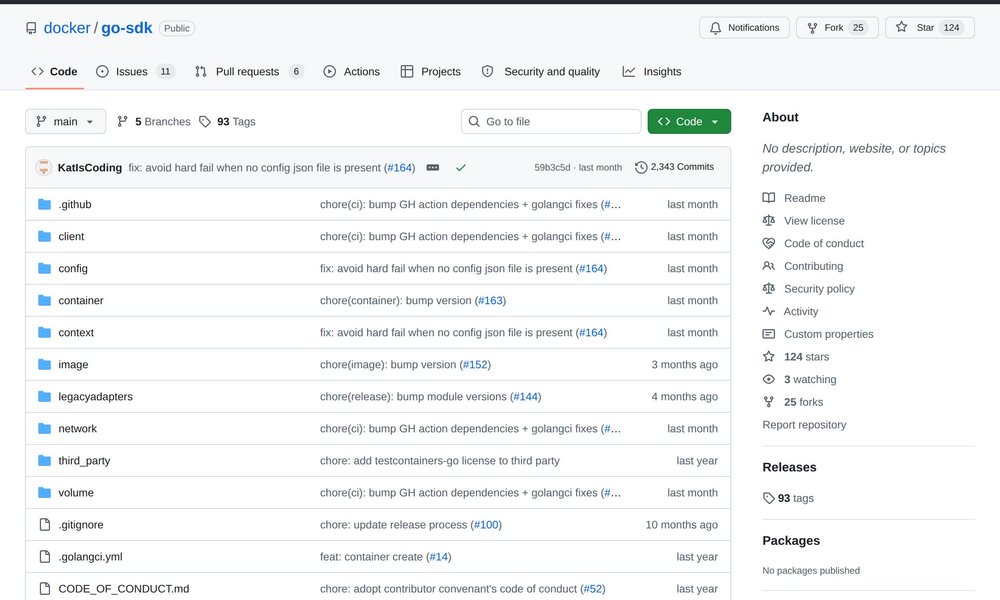
Docker’s official Go SDK is a higher-level client that simplifies pulling images with authentication and running containers with wait strategies and automatic random ports. It still exposes the low-level Moby client when you need it. This is useful if you are writing Go code that needs to run containers, like integration tests or local dev environments.
Vue Lynx
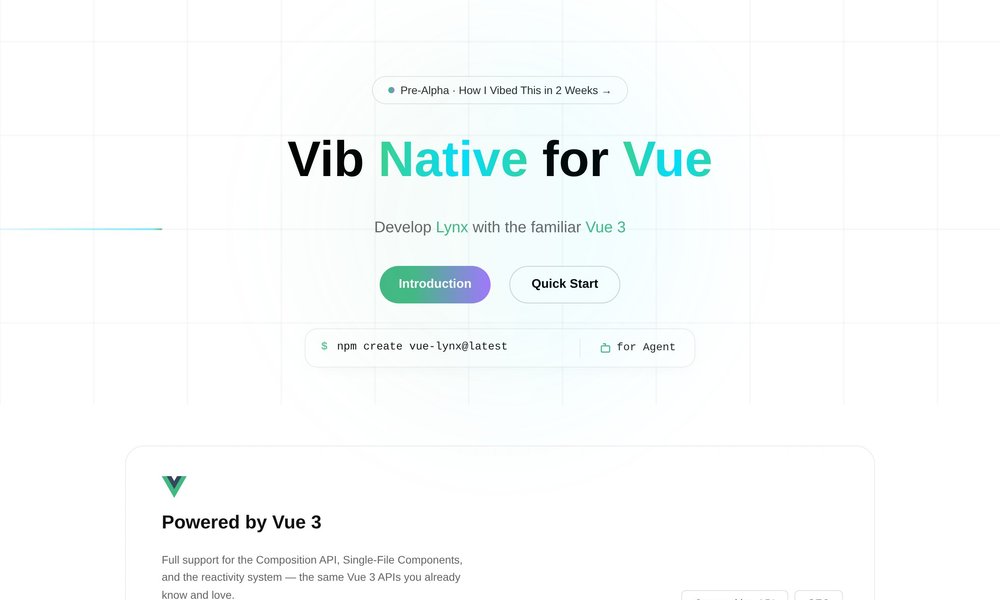
Vue Lynx brings Vue 3 to ByteDance’s Lynx runtime for building native mobile apps with dual-threaded performance. You get the Composition API, Single-File Components, reactivity, and ecosystem compatibility. If you are looking to build a native mobile app with Vue, this is a good option.
Cloudflare Agentic Inbox
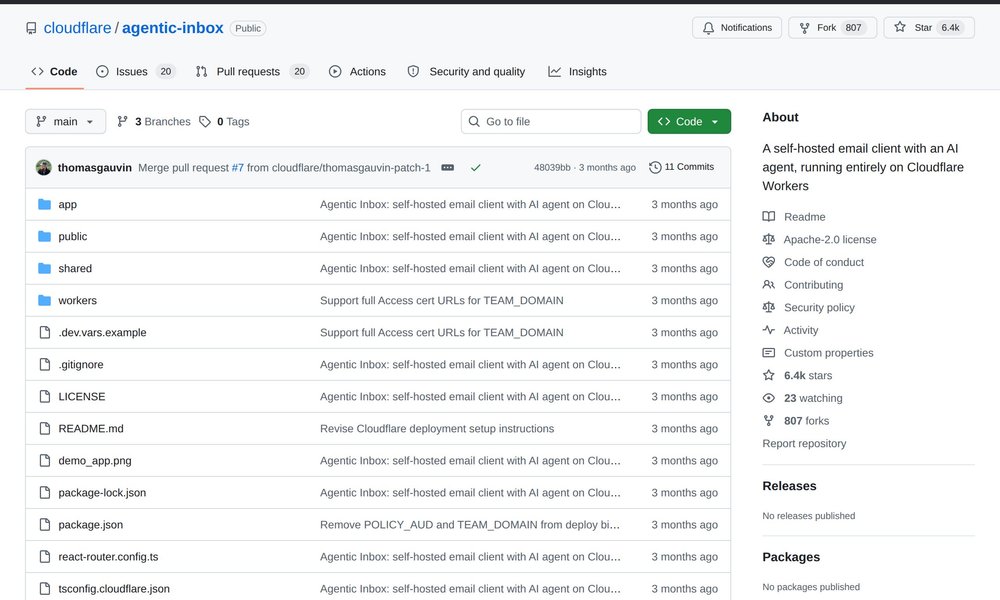
Agentic Inbox is a self-hosted email client with an AI agent, running entirely on Cloudflare Workers. Inbound email hits Cloudflare Email Routing, each mailbox gets its own Durable Object with SQLite, and attachments go to R2. The AI agent reads your inbox, searches conversations, and drafts replies. Another useful tool for anyone who wants to self-host their email without running a full mail server.
VoidAuth
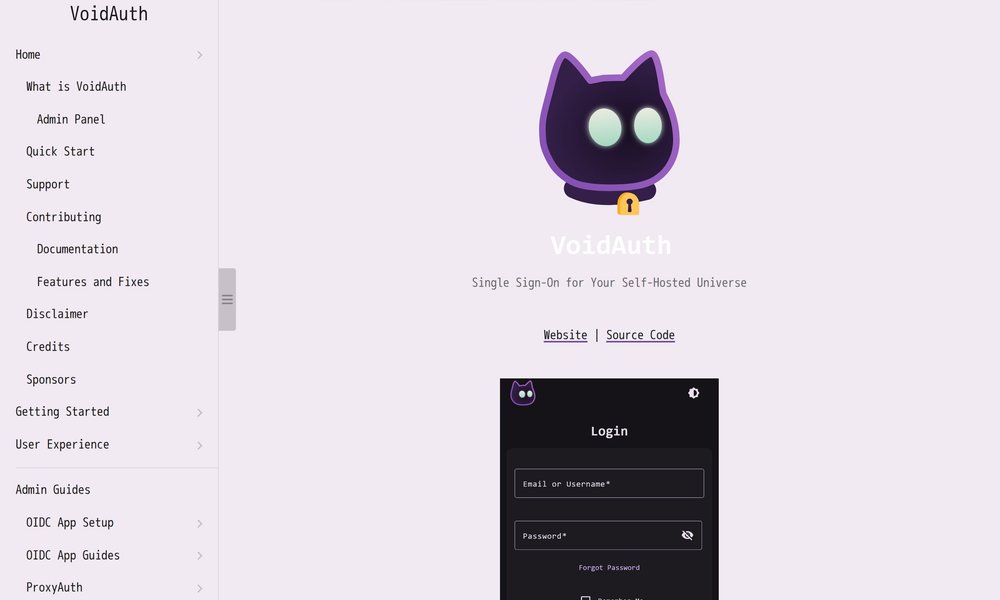
VoidAuth is open-source SSO for self-hosted apps. It supports OpenID Connect, LDAP, passkeys, MFA, user invitations, self-registration, and customizable branding. It runs on Postgres or SQLite with encryption at rest. If you manage more than a couple of self-hosted services, this saves you from managing passwords in a dozen different places.
prompt-mac
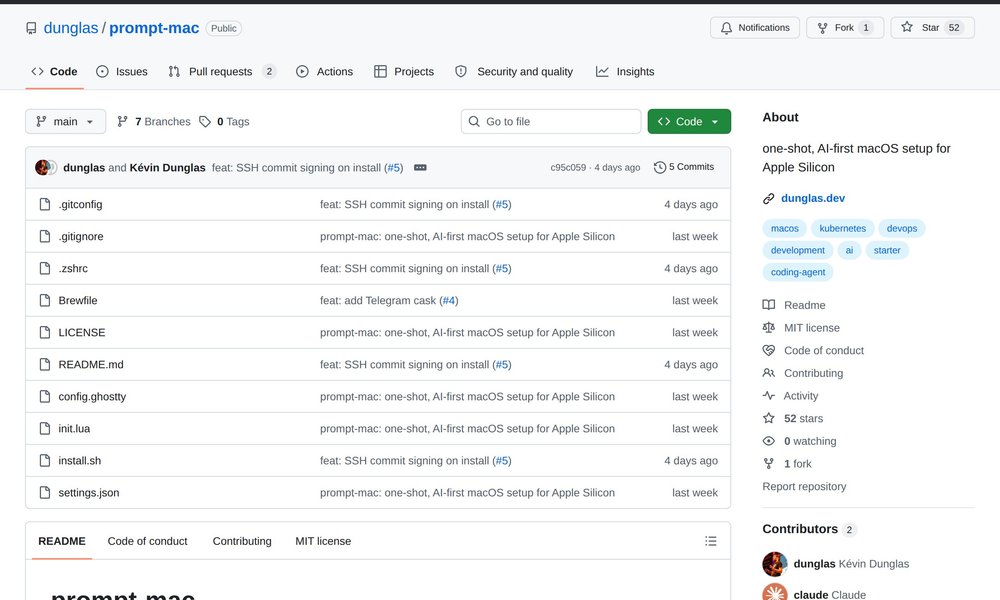
prompt-mac is a one-shot macOS setup script tuned for AI coding workflows. It installs CLI tools, apps, and editor configs for a lean, agent-first dev environment. It runs from one curl command and is fully idempotent. If you are setting up a new Mac for AI coding, this is a good starting point.
Yerd
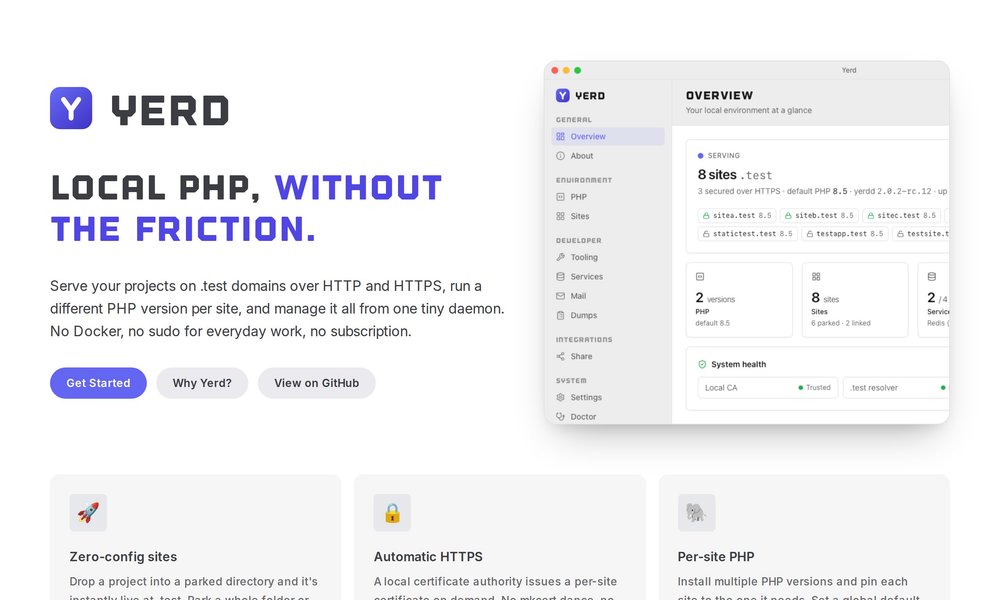
Yerd is a desktop app for macOS and Linux that manages your whole local PHP stack. It supports multiple PHP versions, automatic .test domains with HTTPS, and databases like MySQL, MariaDB, PostgreSQL, and Redis. No Docker, no Electron, just an 8 MB daemon. I think it is a solid alternative to Laravel Herd.
Hidden Bar
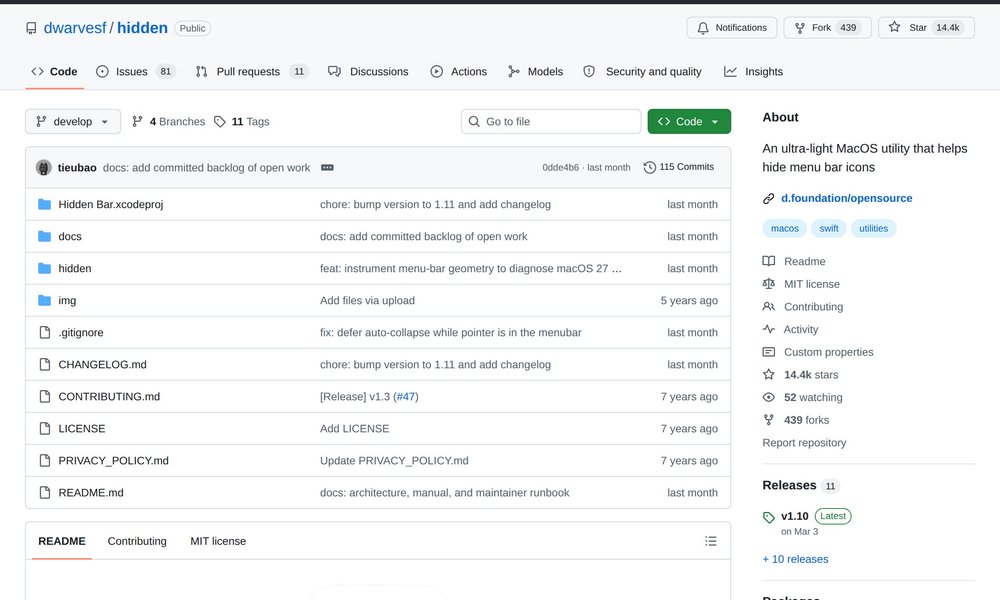
Hidden Bar is a tiny macOS utility that hides menu bar icons. You drag items into a hidden section and click the arrow to toggle. It also works with keyboard shortcuts. It requires macOS Ventura or later. I think it is one of those tools where you wonder why it is not built into macOS.
elephc
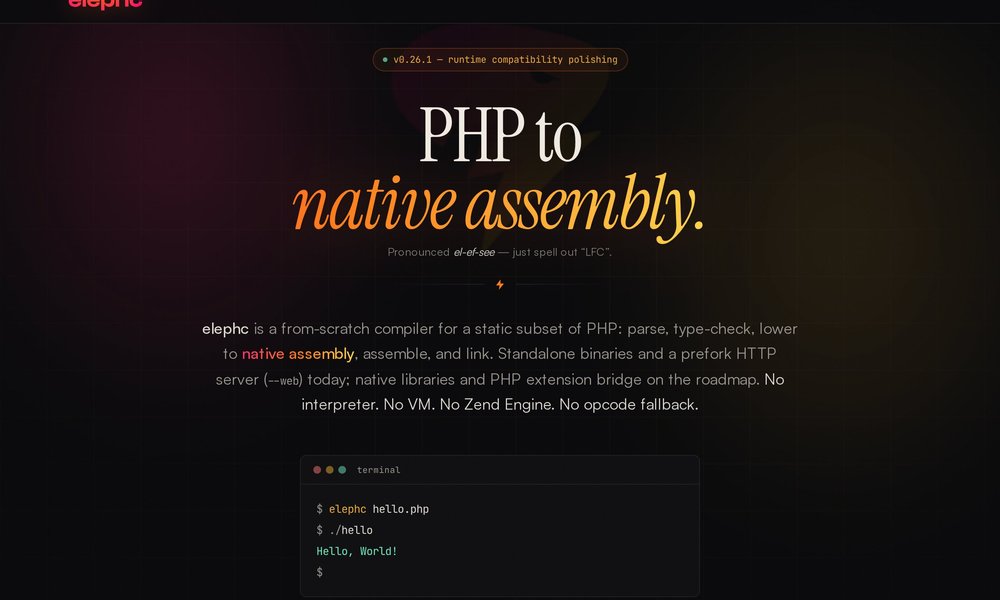
Elephc compiles a static subset of PHP to native assembly. There is no interpreter, no VM, no Zend Engine. It has 400+ built-in functions, 21 data types, and 3000+ tests. It outputs standalone binaries and a prefork HTTP server. I think the output binary from a simple PHP file is impressively small. A useful tool if you want to ship PHP code without requiring a PHP runtime.
FingerprintJS
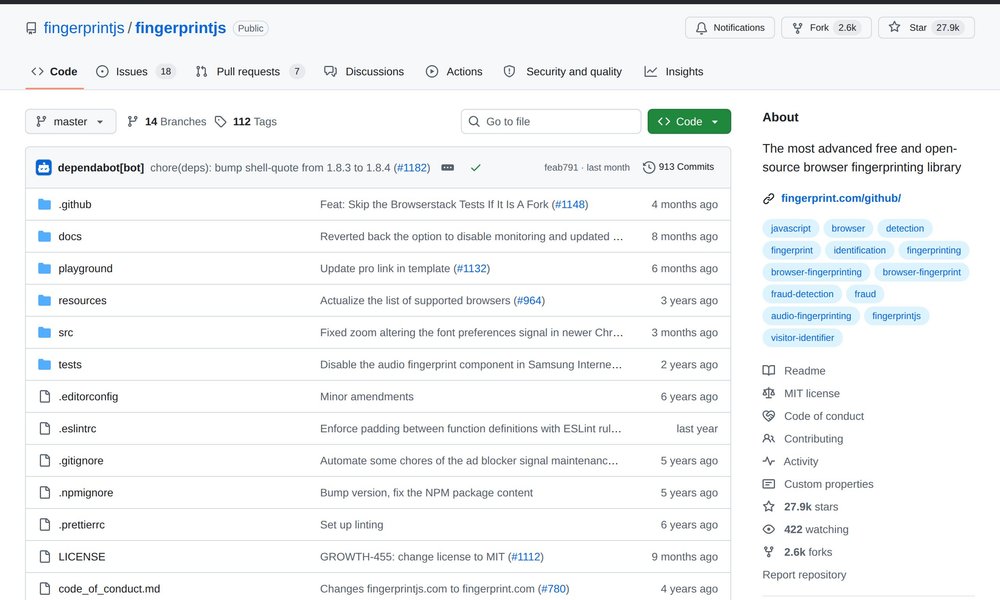
FingerprintJS computes a hashed visitor identifier from browser attributes. Unlike cookies, fingerprints survive incognito mode and data purges. If you need to identify returning visitors without relying on cookies, this is a good option.
TablePro
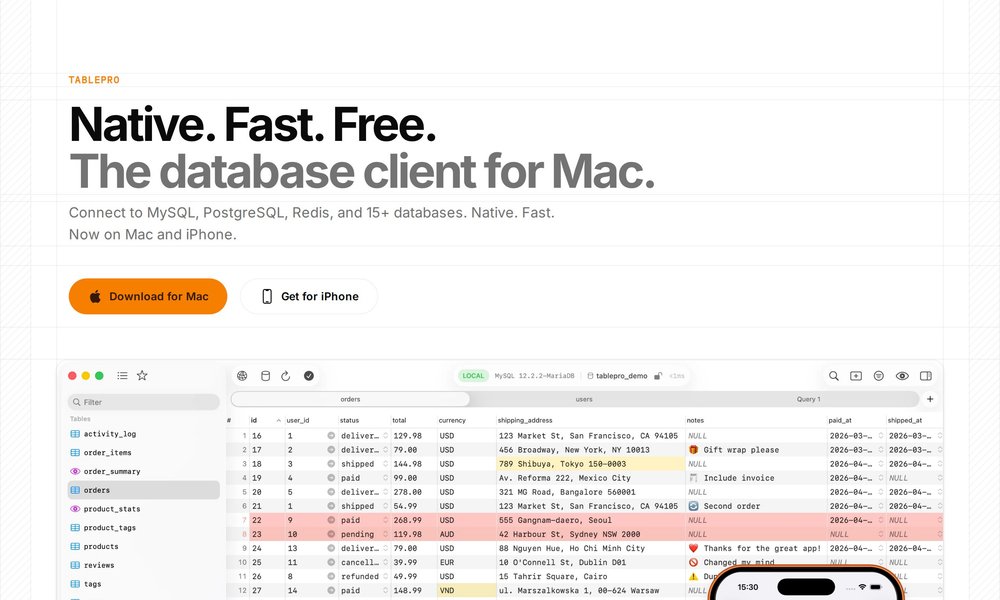
TablePro is a native database client for Mac and iPhone. It supports 21+ databases including MySQL, PostgreSQL, MongoDB, Redis, and SQLite. It includes a SQL editor with autocomplete and Vim mode, an AI assistant, ER diagrams, a server dashboard, and iCloud sync. A handy tool if you work with multiple databases and want a native Mac experience.
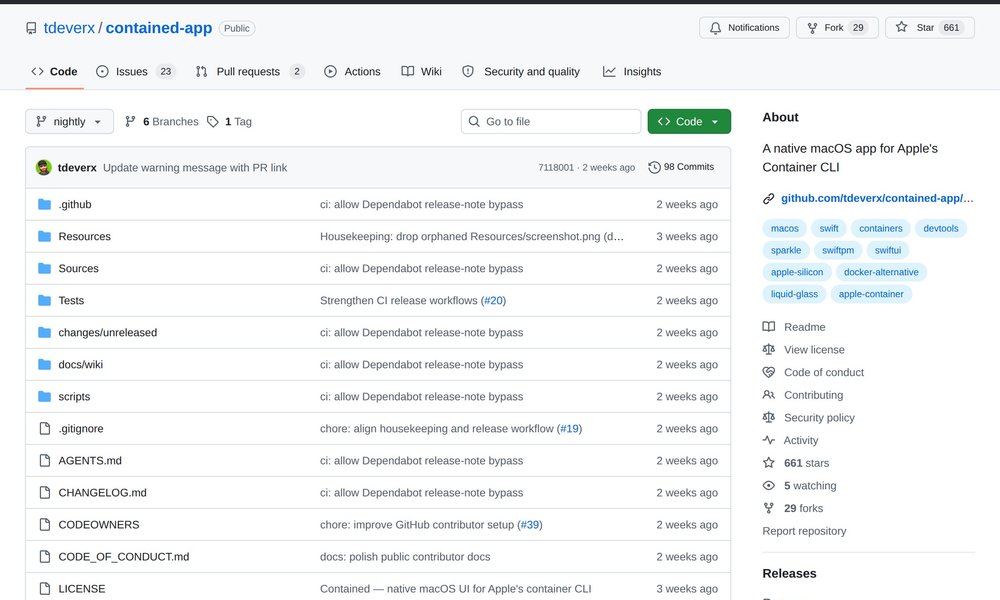
Contained
Contained is a SwiftUI GUI for Apple’s Container CLI. It gives containers, images, volumes, networks, and registries a Mac-native interface with Liquid Glass cards, compose file import, and a floating toolbar. If you missed last month’s roundup, Apple’s own Container CLI showed up there too. I think the UI is surprisingly polished for a pre-1.0 app. It requires macOS 26 and Apple Silicon.
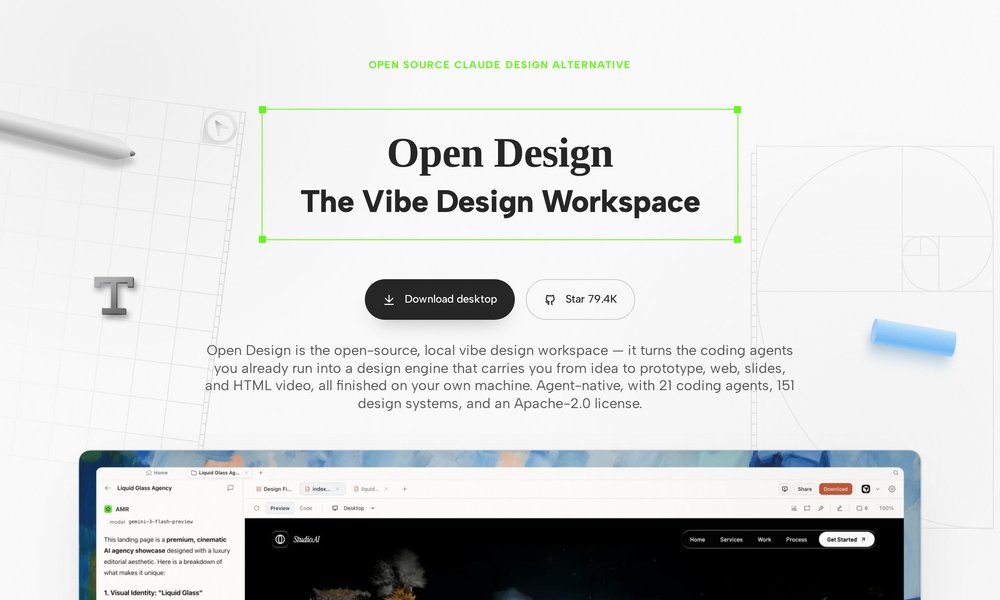
Open Design
Open Design is the open-source alternative to Claude Design. It turns your coding agent into a design engine that runs locally. It supports 21 coding agents, 151 design systems, and exports to HTML, PDF, PPTX, and MP4. It works with Claude Code, Codex, Cursor, Gemini, and others. I think the output quality is impressive for an open-source tool. It is Apache-2.0 licensed.
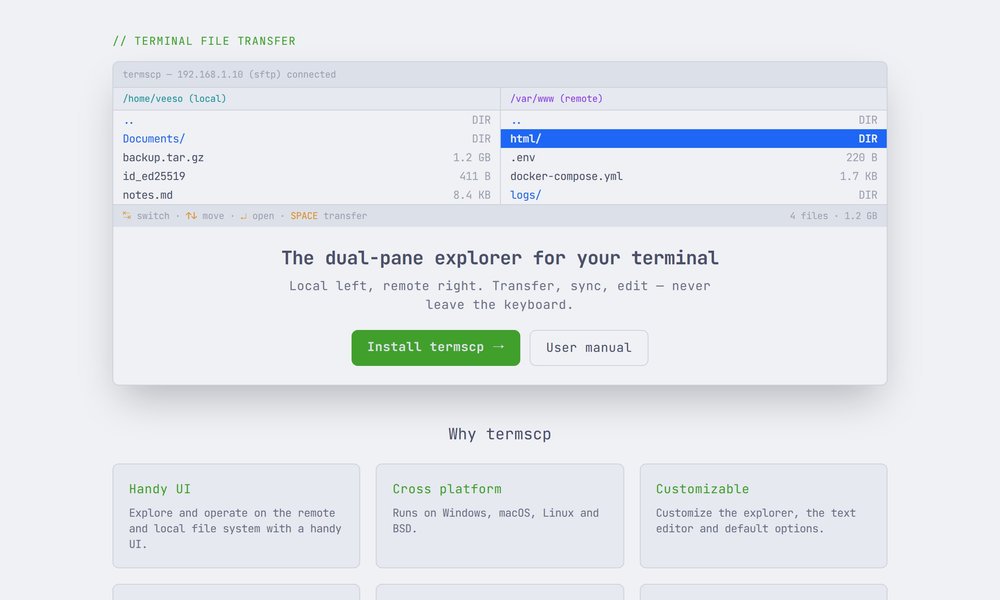
TermSCP
TermSCP is a terminal file transfer explorer that speaks SCP, SFTP, FTP/S, S3, Kubernetes, SMB, and WebDAV. It has a TUI with bookmarks, stores passwords in your system keychain, and runs on Windows, macOS, Linux, and BSD. I think it is handy if you work with multiple transfer protocols, since it is one app for whatever the job throws at you.
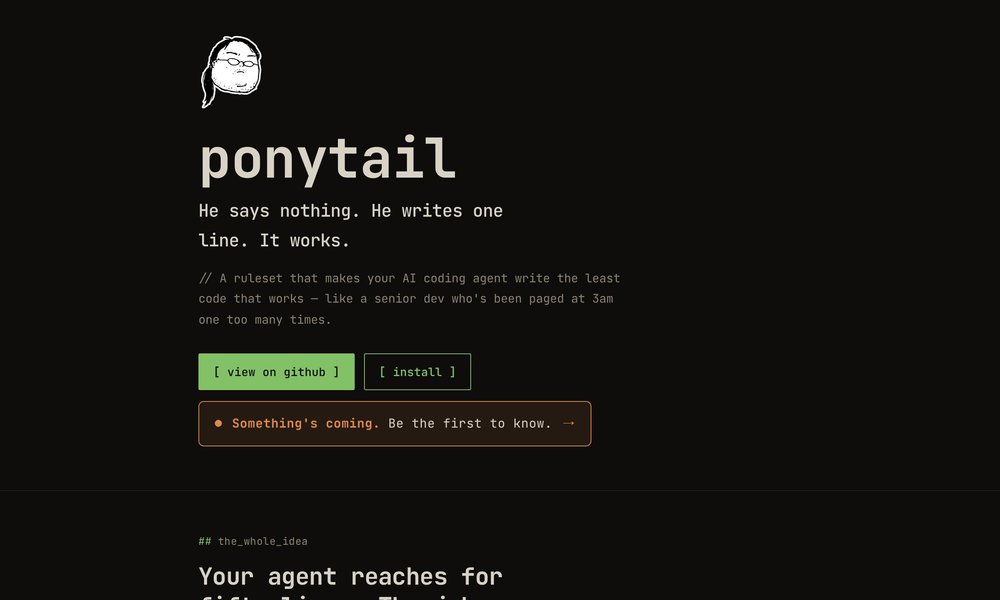
ponytail
Ponytail is a ruleset that makes AI coding agents write less code. Adding it to a Claude Code config makes a noticeable difference in output verbosity, especially if you have been experimenting with AI skills for coding agents. Benchmarks show 54% less code with no safety tradeoffs. It also works with other agentic tools like Codex and Copilot.
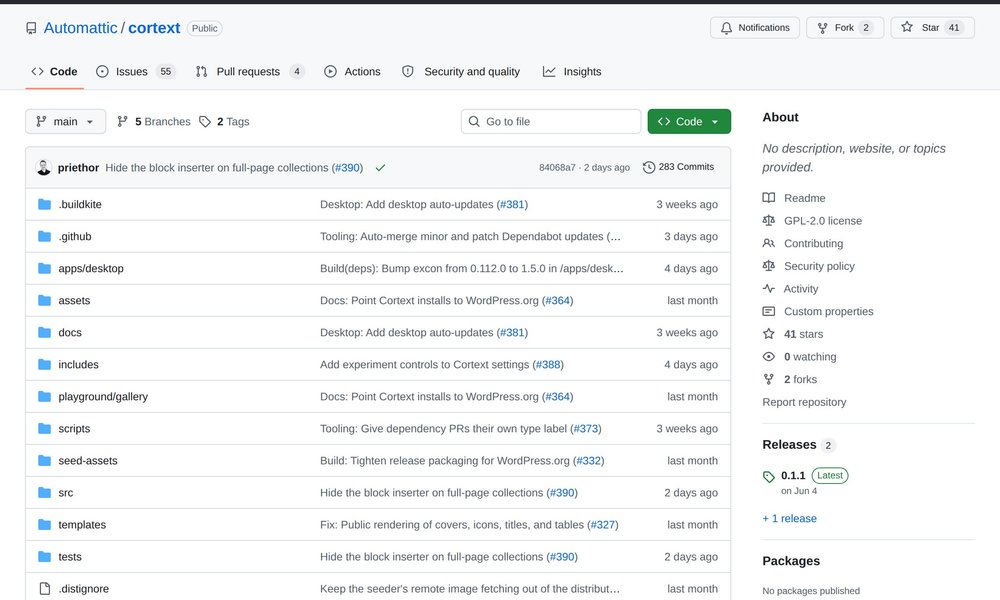
Cortext
Cortext is a WordPress plugin from Automattic for building a knowledge base inside your own site. It offers nested pages, typed collections, and multiple views, all publishing through WordPress. Data stays in ordinary WordPress storage with no proprietary formats. I think it is a good option if you want to build a knowledge base without relying on a third-party SaaS.