ASCII Magic Turns Images and Videos Into ASCII Art
Some tools sound simple until you start playing with them for a while.
ASCII Magic is one of those.
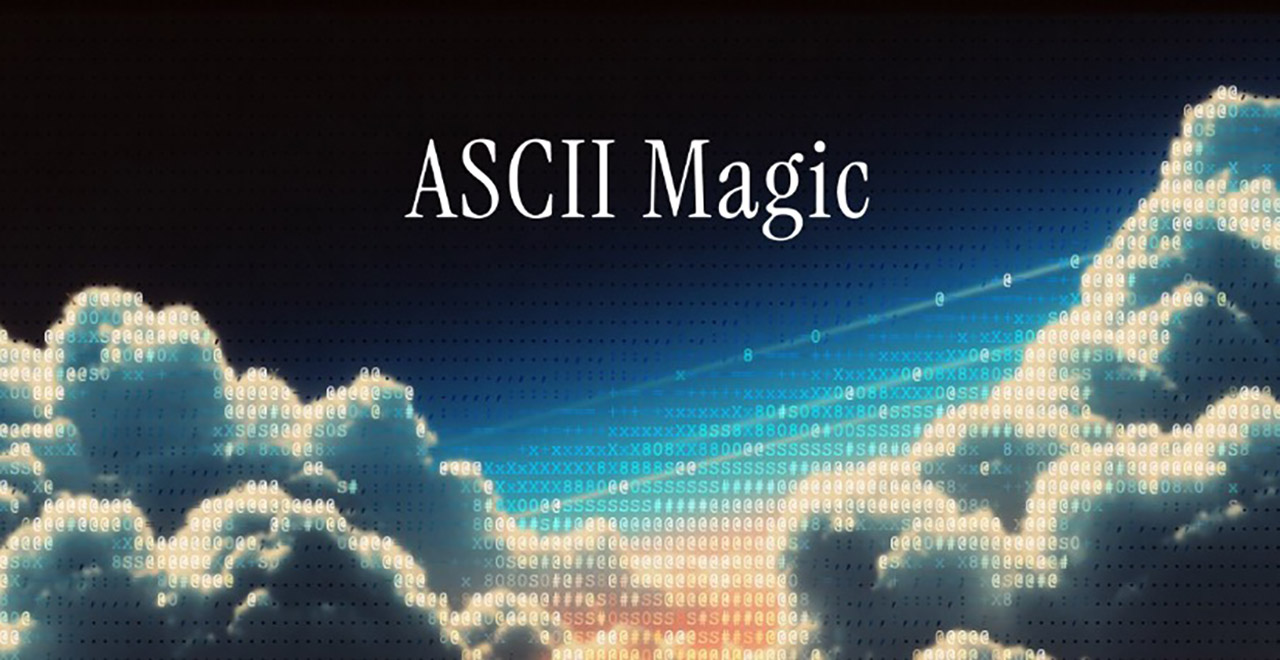
You drop in an image or video, and it turns it into ASCII art in real time. The fun part is not the effect itself, but how much control you get over the result. It feels more like a live visual playground than a one-click filter.
That makes it easy to test odd ideas fast. For designers, that alone gives the tool a reason to exist. If you enjoy finding creative tools worth bookmarking, this fits neatly into that pile.
What ASCII Magic Can Do
ASCII Magic turns images and videos into text-based visuals built from characters. What makes it useful is the amount of control it gives you over the conversion.
Here’s what the tool can do:
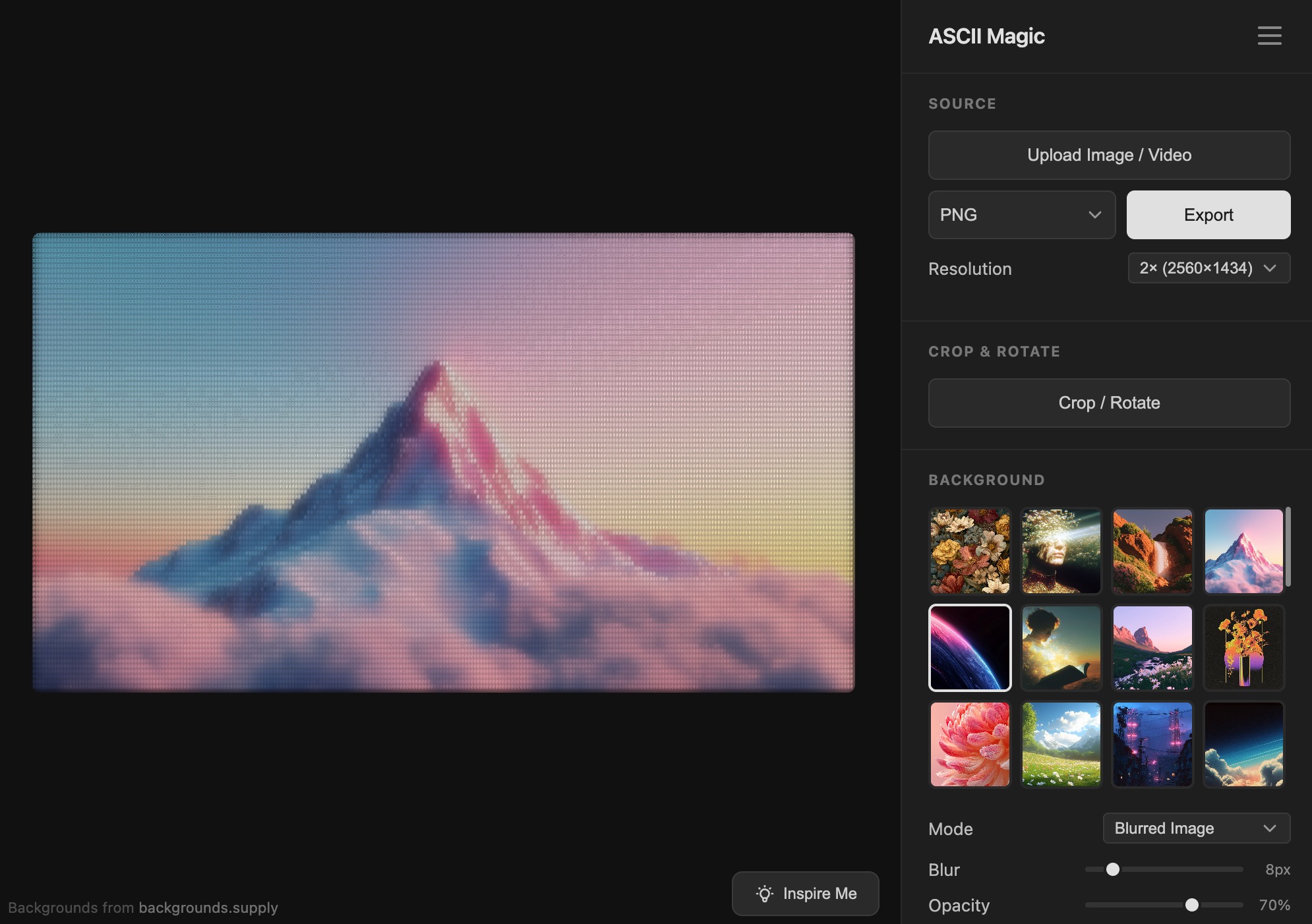
1. Real-Time ASCII Conversion
ASCII Magic updates the output as you change the settings. That instant feedback is what makes it fun to use.
If you are trying to find a look for a poster, social post, motion loop, or strange visual experiment, real-time control helps a lot.
2. Works With Both Images and Videos
It does not stop at still images. It also handles video, so you can turn moving footage into animated ASCII visuals without building a messy workflow across multiple apps.
That opens the door to things like:
- retro motion graphics
- experimental social content
- music visual loops
- landing page visuals
- stylized promo assets
3. Adjustable Character Sets and Density
ASCII art lives or dies on character choice.
ASCII Magic lets you change the character set and the density of the output. That changes the look fast. Dense character maps hold more detail, while lighter ones feel cleaner and more graphic.
For designers, this is one of the main controls. It gives the tool range instead of locking everything into one look, much like other design tools for designers that stay useful because they leave room to shape the result.
4. Edge Detection and Blur Controls
Edge detection and blur help decide how much structure survives the conversion.
Edge controls can pull out outlines and separate subjects more clearly. Blur can soften noise before the image is translated into characters. Together, they change whether the output feels rough, crisp, abstract, or readable.
This is more than a simple image-to-text trick. It is image processing with a distinct visual style.
5. Color Support
ASCII art is usually tied to monochrome output, but ASCII Magic also supports color.
That pushes the result away from terminal nostalgia and closer to something you could use in a poster, motion asset, or web visual. With color, the output looks more like a deliberate treatment and less like a novelty.
6. PNG and MP4 Export
Export options are where tools like this either become useful or stay as toys.
ASCII Magic exports to PNG and MP4, which covers the obvious use cases. PNG works for stills, mockups, and thumbnails. MP4 makes the tool more useful for short loops, animated posts, and lightweight video assets.
Why Designers Might Love It
The best tools for designers are often the ones that help you find a look quickly.
ASCII Magic does that well. It is fast, visual, and easy to experiment with. You can throw in an image, move a few controls, and see right away whether the result is worth keeping.
That makes it useful for:
- concept exploration
- moodboard generation
- visual experimentation
- social media asset creation
- motion design play
- web visuals with a retro-computing edge
It also has a quality many designers like: simple input, lots of variation. If the retro-computing angle is part of the appeal, this piece on retro and vintage web design inspiration is a useful companion.
The Real Appeal Is Not Nostalgia
It is easy to frame ASCII Magic as a nostalgia tool, but that sells it short.
The terminal look is part of the appeal. The bigger draw is that it turns ordinary media into something constrained, graphic, and expressive. That kind of limitation can lead to stronger visual ideas because it pulls you away from polished defaults.
ASCII Magic feels like the kind of tool designers will keep around for the days when clean and expected is not the goal.